
Sleep better with a cold or flu

We’re deep into the chilly winter months now, and with winter comes colds and flu. There’s nothing worse than lying in bed trying to fall asleep when you have a blocked or runny nose, a sore throat, a hacking cough, and aches and pains. In this blog post, we’ve rounded up a few tips to help you sleep better with a cold.
Cold and flu symptoms seem to get worse at night, and it feels like there’s more congestion when you’re lying down. Taking cold and flu medicine can help, although be careful to check the ingredients first. Some over the counter medicines contain a decongestant called pseudoephedrine, which makes many people stay awake.
Besides taking cold and flu medicine, below are a few tips to help you sleep better with a cold or flu:
- Use a humidifier and/or take a hot shower or bath
Extra humidity or steam in the air will help calm your sinuses and ease congestion. It will also help relieve coughing. If you’re feeling chilly, a hot shower or bath will help warm you up and relax your body before bed.
- Have a hot drink before bedtime
The steam from hot drinks will help your dried-out nasal passages and it will also help loosen phlegm, however make sure your drink is not caffeinated. Honey is a natural antibiotic and it is good for sore throats. Lemon contains vitamin C. You can also brew ginger tea, which also increases your vitamin C intake and encourages overall feelings of wellbeing.
- Get extra pillows
Use extra pillows to make sure you’re not lying flat when you sleep. Sleeping flat on your back can make congestion worse, so try to elevate your head. The Sealy My CoolSmart Gel Pillow is a two in one pillow – one side has a gel layer which reduces heat build-up for a cooler sleep, while the other side is memory foam for a more gentle comfort.
- Have everything you need close by
Be prepared for a rough night and stock your nightstand with everything you’ll need to get through the night. Have a big glass of water handy to ease your throat if you’re coughing. You might also need lots of tissues. Finally, also have a book or magazine handy in case you can’t fall asleep. Don’t be tempted to scroll on your phone – the blue light emitted from your device will make it even harder to fall asleep.
- Create the optimal sleep environment
Try to make sure your room is at a comfortable temperature, and probably more towards the cooler side. If you have a fever, a cooler room will feel more comfortable. Try to make your room as dark and as quiet as possible, and place a hot water bottle at your feet for extra comfort.
Home school: Create the perfect study area
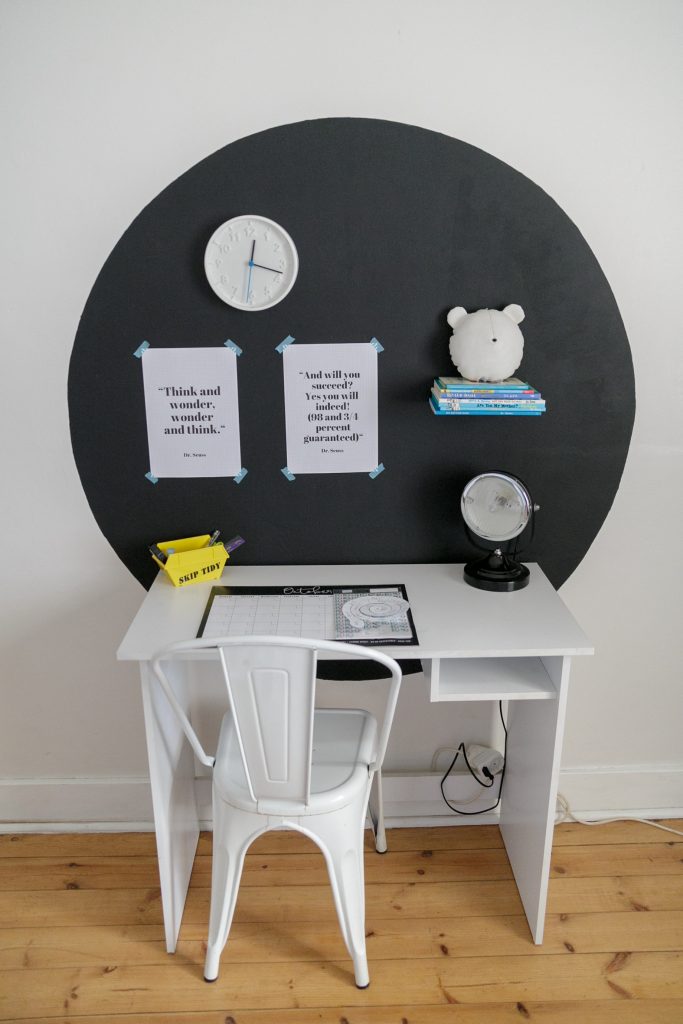
It looks like most students will soon be returning to school, after a lengthy lockdown and home study because of the Coronavirus pandemic. After being forced to home school children for several weeks, most parents will agree on one thing: Where possible, children need a dedicated study area to help them focus better.
South African blogger and creator of the Lovilee Blog, Karen Kelly, transformed her son’s bedroom into a study haven. “This literally changed the way we did things – with better light, better use of space and simply being organised… there was peace!” explains Karen in her latest blog post: How to get your child’s bedroom study ready and styling at the same time.
Karen is on to something. It’s important for children to have a dedicated area to focus on their work. A study space free of distractions will help your child enter into “study mode”. In her blog post, Karen shares some tips on creating a study-read bedroom and includes pictures of her son’s new study space. It’s totally inspiring and might just get your creative juices flowing!
The link between good sleep and grades
A comfortable mattress and sleeping area are also important for helping your child achieve good grades. To do well in school, children have to know how to focus and concentrate, but they also need to know how to problem solve and manage emotions. Good quality sleep is essential for all of these skills.
The CDC (Centers for Disease Control and Prevention), outlines the recommended hours of sleep per day for school children:
- Children aged 6 to 12 years – 9 – 12 hours per day
- Teens aged 13 to 18 years – 8 – 9 hours per day
Make sure your child’s mattress gives them the support they need. As well as keeping the spine and bones aligned, which is very important for a growing child, a good quality mattress will reduce rolling and fidgeting, allowing your child to sleep more soundly. Browse Sealy’s range of mattresses to find the best bed to support your child’s growing body.
Photo credit: Melanie Wessels Photography
What is the best mattress for back pain?

Lower back pain is so common that up to 30 to 40 percent of South Africans will experience this discomfort at some point in their lives. However, you don’t have to live with back pain. Lower back pain can be successfully treated with non-invasive methods, and in fact it might be as simple as investing in the best mattress for back pain.
Back pain not only impacts your waking hours, but it also leads to restless sleep and tiredness in the morning. There are many reasons that can cause and contribute to back pain, but most people don’t realise that their mattress could be contributing to the problem.
Not only do we need the right amount of sleep but also the right mattress to rest our bodies on. The best mattress for back pain allows for proper spinal alignment, which encourages muscles to relax. However, with such a wide selection of mattresses available, it’s difficult to know exactly which mattress will help.
In the past, if you were suffering from lower back pain you were advised to invest in a firm mattress, however this is no longer the case. A recent study of people with low back pain showed that those who slept on a hard mattress had the poorest sleep quality. This is because a mattress that is too firm is unable to support your spine. However, a bed that is too soft can also contribute to pain.
The best mattress for back pain is designed by orthopedics
The best mattress allows for full support of the spine, and targets pressure relief. Mattresses with Posturepedic Technology™ are designed by orthopedics to support every part of your body and offers the following benefits:
- Pressure relieving comfort for undisturbed sleep: from ultra-plush to cushion firm, built with premium materials.
- The support you need: deep-down orthopedically correct support with a superior edge support system.
- A system where everything works together to give you the same great comfort and support for a long time: extra durability that repays your investment day after day.
However, the truth is that there is no single recommendation for the best mattress for back pain. It’s a highly personal decision and the best bet is to spend some time actually testing out different beds, spending at least 10 minutes lying down on each bed to get a feel for it.
Adjustable beds are a game changer when it comes to quality sleep. Sealy Posturematic Adjustable Base beds come with customised head and foot adjustment options, a dual massage function, a flashlight and an LCD Clock.
Other tips for better sleep with back pain
- Try sleep in a different position and use a pillow to support different body parts. If you’re a side sleeper, place a pillow between your knees. If you sleep on your back, place the pillow underneath your knees.
- Try not to sleep on your stomach because this sleep position puts extra strain on your spine.
- Make sure your pillow is at a comfortable height and not creating too much pressure on your neck. Your pillow should be placed under your head and neck, not your shoulders.
Pregnancy sleep position: SOS

Many women experience difficulty sleeping during their pregnancy, especially during the last few months. South African lifestyle blogger, Chantal Philander, quickly discovered the best way around this: The “SOS” (Sleep on Side) pregnancy sleep position.
In her latest blog post, Sleeping while Pregnant, Chantel explains that sleep became more challenging for her during the second trimester of her pregnancy. Although she’s usually a back sleeper, Chantel soon realised the SOS pregnancy sleep position was the safest position for her and her baby. Read her blog post to find out more about the SOS pregnancy sleep position and how to get comfortable in the last stages of pregnancy.
If you’re losing shut-eye during your pregnancy, and you think your mattress might be to blame, ask yourself these questions:
- Is my mattress more than 10 years old?
- Does my mattress have lumps and/or springs sticking out of it?
- Does my mattress feel like it’s sagging along the edges?
- Do I roll towards the middle (and my partner) during the night, because of the “v-shaped” mattress?
- Do I wake up with aches, pains, stiffness or numbness?
If you’ve answered yes to two of the questions above, your lack of sleep might have nothing to do with your pregnancy sleep position and it could be time to invest in a new mattress. You’ll want to get as much sleep as you can before your baby arrives!
If you’re heading in-store to buy a mattress, read this first:
We suggest lying on a bed in-store before buying it. However, before you begin your shopping trip, there are a few things to think about – buying a new mattress is not only about price alone. Use our handy Store Locater to find your nearest Sealy mattress stockist. The sales people at these locations know all about Sealy mattresses and will be able to explain the product differences.
Try out different beds and take notes on how you feel on each bed. Once you find the comfort level and support you like, be sure to discuss the following with the salesperson:
- The return policy
- The mattress warranty (A Sealy warranty is backed by our commitment to continually improve our products and services through the application of a quality management system, as guidelined by the ISO (International Standards Organisation) quality management principles.
Visit different retailers to find the best fit for your comfort requirements and your budgets. Don’t be afraid to negotiate – and remember to think of your purchase as a valuable investment in yourself and your health.
How to clean a mattress

Most of us spend a third of our lives sleeping, which means we spend about that much time on our mattresses. Next time you give your room a deep clean, spend some time cleaning your mattress too. In this blog post we break down the steps, explaining how to clean a mattress.
- Step 1: Vacuum to get rid of dust and mites
You shed dead skin cells during the night, and dust mites feed on those cells. Not only is that disgusting but it also causes allergies. Use the upholstery tool on your mattress and vacuum firmly on a low setting. Remember that excessive vacuuming will damage the filling and fibres contained in the upholstery layers in the mattress,
- Step 2: Get rid of stains
Beds and mattresses can easily become stained, especially if you have small children or if pets sleep on your bed. Use a good upholstery cleaner or a mild liquid detergent to remove any stains. It’s almost always recommended to use cold water for stain removal. Be careful not to use dry cleaning agents to clean your mattress because the chemicals could damage the mattress.
- Step 3: Use baking soda
Sprinkle baking soda over your mattress, rubbing it in gently. Leave the baking soda on for around 15 minutes, then vacuum the entire bed again. Remember not to press too hard, in case you snag the fabric. This will help neutralise any odours.
- Step 4: Give it some air
If possible, put your mattress outside to air it out. If it’s not possible to put it outside, leave it inside, uncovered for a few hours.
Protect your mattress
Now that we’ve explained how to clean a mattress, you will be relieved to know there is a way to keep your mattress cleaner, for longer. Keep your mattress clean and looking new with the help of a Sealy mattress protector. A mattress protector is like a waterproof fitted sheet and it protects against bed bugs, dirt and allergens. Browse our website to find out more about Sealy mattress protectors.
Mattress care: Sealy approved tips
Mattress care goes beyond asking yourself questions such as, “how to clean a mattress”. Below are a few Sealy-approved mattress care tips.
- When moving your mattress, carry it flat or on its side. It’s easier to handle and you’ll be less likely to damage the mattress.
- Replace the foundation when purchasing a new mattress. An old foundation may not provide sufficient support. It may appear that your new mattress is sagging when it is really the foundation, which supports the entire mattress.
- Rotate your mattress to prolong it’s comfort and support life. Body indentations are a normal occurrence in new mattresses and indicate conformance of upholstery layers to your individual body contours.
- Don’t use an electric blanket. It causes compressions or sagging and may affect the fillings and fibres of the upholstery layers.
- Don’t stand or jump on your mattress. It wasn’t built for that kind of weight concentration or abuse.
- Be careful not to bend your mattress as this may cause damage to the innerspring unit. Rather flex than bend the mattress when going through doorways and don’t bend the corners when putting on fitted sheets.
- Keep the label on your mattress – it’s important for establishing your warranty period and rights.
- Sealy mattresses are no-flip beds. To maintain them, all you need to do is rotate them. Follow the rotation guide in the Sealy Warranty you got with your bed.
Science-backed tips to fall asleep fast

There’s nothing worse than lying in bed, staring at the ceiling, tossing and turning, trying to fall asleep. It could be stress related, maybe it was something you ate, or this could be a regular occurrence for you. We’ve put together a few science-backed tips to help you fall asleep fast.
In the moment
Ok, so you’re already in bed and you can’t get your brain to shut down and you’re simply not falling asleep. This is what you should do to fall asleep faster:
- Manage your stress. If you know you’re feeling stressed, practice a simple breathing technique to help drift off to sleep. The “4-7-8 Breathing Technique” helps your body relax and calms anxiety. This is how to do it: Breathe in through your nose for a count of four. Hold your breath for a count of seven. Exhale through your nose for a count of eight. Repeat at least four times.
- Try a guided meditation using meditation apps. Alternatively, you can also find good guided meditations on YouTube. This Sleep Hypnosis to Fall Asleep Fast has helped me on many sleepless nights!
- Stop fighting it. Instead, trick your brain using the psychological principle called paradoxical intention. If you use paradoxical (reverse) intention and think staying awake, you might actually fall asleep faster. So next time you struggle to sleep, just give up the thought, “I need to sleep now”. Listen to a podcast or read a book as if you want to stay awake, and your brain may do the opposite and let you sleep!
- Use aromatherapy. If you have Lavender essential oil, put a drop in your hand, rub your hands together and cup your hands over your face. Take four to five deep breaths. Alternatively put a few drops on your pillow.
Fall asleep fast: Plan for better sleep
If you’re serious about better sleep, start thinking about it before it’s time to go to bed.
- Get the foundation right: A good mattress. In almost every case, a poor quality, old or worn mattress is an overlooked factor in insomnia. If you’ve been sinking into an old bed that’s lost its shape your body is not being supported and your unique sleeping posture isn’t being accommodated. If your mattress is too firm or too soft, you might experience back and joint pains. Sealy’s exclusive Posturepedic Technology™ mattresses are built strategically to help provide proper support for the entire body, comfort for a great night’s sleep and durability for peace of mind. Orthopedically correct mattress design fully supports the body while at the same time relieving pressure points, allowing the body to fully relax.
- Feed your body right: Plan your dinner. The latest science reveals that what you eat for dinner and when you eat also makes a huge difference to your sleep. Eating carbohydrates with a high glycemic index four hours before bedtime, such as white rice and pasta, could significantly reduce the time it takes to fall asleep. Research by the American Journal of Clinical Nutrition explains that this is because carbohydrates could increase the level of serotonin precursor in your body, which is known as a “wellness chemical” with sleep-inducing effects. However, be sure to limit caffeine and sugary drinks close to bedtime.
- Exercise during the day. Exercise releases endorphins, the happy hormone. If you can exercise outside, you get the added bonus of Vitamin D.
- Stretch before bed. Slow, purposeful movements helps you breathe slowly and focus on your breath, relaxing your body and mind. Click here for some stretches that will help you fall asleep fast.
- Your pillow makes a big difference. This might surprise you, but when it comes to sleep quality, pillows are almost as important as your mattress. If your neck and shoulders aren’t getting enough support, your spine and body could be out of alignment, causing body aches and sleeplessness. We have a variety of Sealy pillows to suit the most comfortable sleeping posture, including gel memory foam pillows. Browse Sealy pillows here.
- Leave screens out the bedroom. Try to stop looking at screens – whether it’s your phone, your TV or your laptop – at least an hour before bedtime. Rather read a book, it will relax your mind more!
Sealy: Dedicated to local upliftment

Did you know Sealy is a proudly South African company? When you support local, the money you spend remains within the community, and by extension, local jobs are created, and the community benefits overall.
Officially entering the South African Market in 1967, Sealy is a firm believer in local manufacturing and market sustainability. Manufactured under our parent company, Bravo Brands Sleep Products, our strong South African roots extend over five decades. With seven factories across the country, Bravo Brands has a workforce of more than 3000 South African employees. Bravo Brands Sleep Products – creating employment one bed at a time.
World-class manufacturing facilities
Sealy South Africa currently operates four state-of-the-art manufacturing facilities in Cape Town, Johannesburg, KwaZulu and Windhoek. The entire manufacturing process begins and ends in South Africa, with all raw materials – including timber and steel – sourced and processed locally. When you buy any of our range of Sealy mattresses, you’re buying a product that has been handcrafted with precision and care by South Africans for South Africans. Our beds are available across more than 3000 South African-owned retail outlets and distributors across the country.
Why support local?
- Buying local has a positive ripple effect on the economy, because not only does the money remain in the country and help in economic growth, it also helps to build communities and boost job creation.
- When you support local and homegrown brands like Sealy, the money eventually ends back in the community both through the purchase of raw material from other local businesses and through the creation of employment opportunities.
- Home-based manufacturers also have a significantly smaller carbon footprint. Fossil fuels used to transport imported raw materials are key contributors to greenhouse gases and global warming. Conversely, when products are sourced, produced and transported locally, it results in lower fossil fuel emissions.
As a proudly South African company, Sealy South Africa sources all of our raw materials locally and create jobs for thousands of locals. However, thanks to Sealy’s interantional footprint, we also have access to global expertise and cutting-edge technology. Teamwork makes the dream work! Across the globe, Sealy is making premium quality beds and helping people sleep soundly and comfortably.
Backed by a global sleeping giant
Did you know that Sealy is a real place? And we’re not just talking about that comfortable place where you get your best sleep! Sealy is an actual town in Texas – it’s where the first Sealy mattresses were originally produced. Sealy was initially founded in 1881 by a cotton-gin builder named Daniel Haynes in Sealy, Texas. Haynes started the cotton-based mattress business but eventually sold it to another Texas-based company after 15 years. The Texas-born company kicked off a national advertisement campaign under the famous slogan “Sleeping on a Sealy is like sleeping on a cloud.” The birth of a national sensation.
Sealy mattresses are continuously improved thanks to ongoing research and development, but one thing has remained the same since Haynes made his first cotton mattress more than a century ago: They’re all made with the same care and pride. We’ve been making Sealy beds in South Africa for more than 50 years, supporting South Africans through the ups and downs of life.
In 2006, Sealy announced the creation of the Orthopedics Advisory Board. This committee is an industry authority, bringing together the expertise of orthopedic and clinical surgeons to focus on development and innovation. Through a knowledge exchange partnership with Sealy USA, Sealy South Africa has access to the latest advancements in sleep technology.
This partnership puts Sealy South Africa one step ahead of other local manufacturers, thanks to the millions of dollars spent on research and development. All this is in support of our mission to support local and to provide South Africans with a more peaceful and restful sleep.
Meditation for stress: How this practice can transform your life
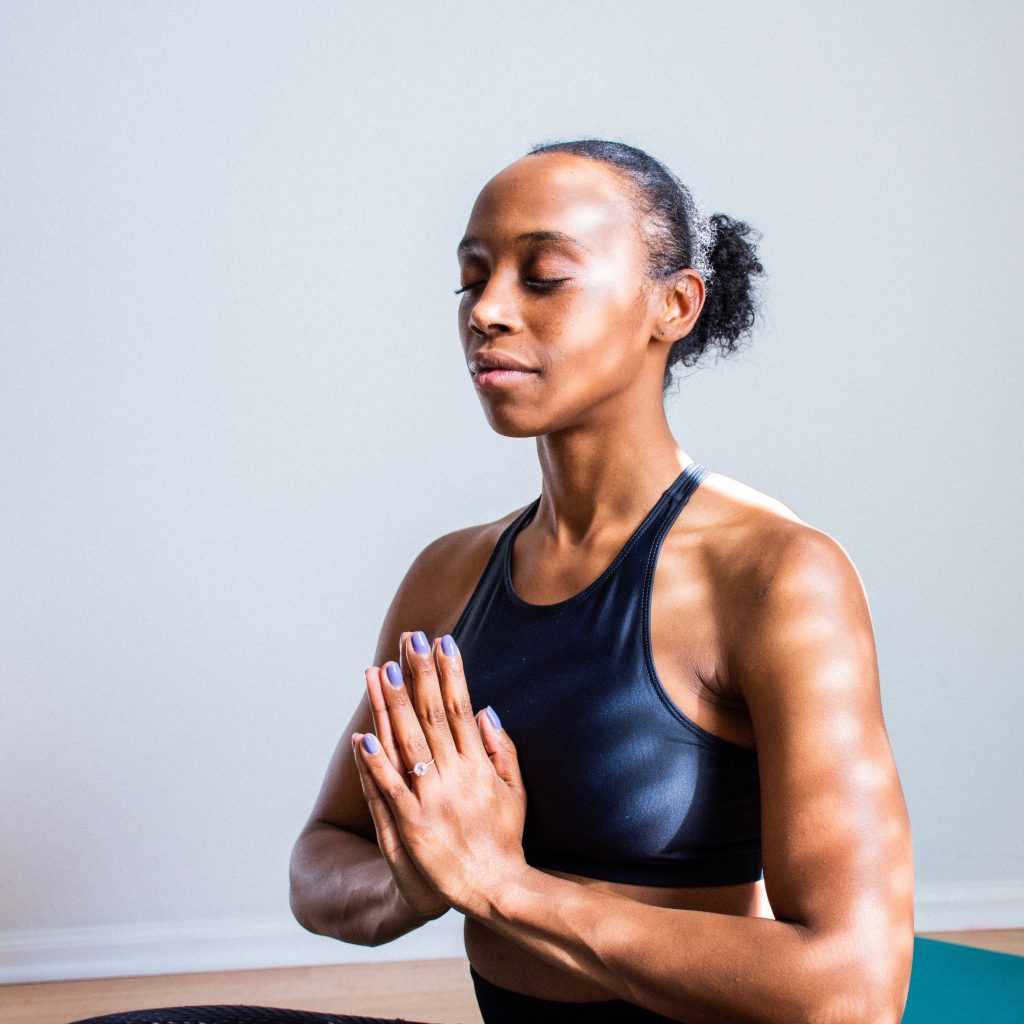
Meditation can be understood as an art of awakening the innate healing potential of your own mind. It helps you stay physically fit, mentally strong, emotionally stable, and connected to your inner self. If you’re looking for meditation for stress management, this is a good place to start.
The ever-growing body of research in the past two decades either supports its immense mental health benefits, including better sleep, stress management, anxiety relief, improved focus, enhanced memory, rebuilding grey matter, and whatnot. Read on to find some of the benefits of meditation and how it can help you stay calm and sleep better during these stressful times.
Relieves stress and anxiety
Modern scientific developments have changed the way we look at the capabilities of the human brain. Now we know that our brain adapts, rewires itself, and keeps changing continuously according to our experiences. If you keep challenging your brain continuously, it will adapt itself to address those challenges.
This is where meditation comes in.
With regular practice of meditation, the brain learns to stay calm even in stressful situations. It prepares the mind as well as the body to adapt to physical, psychological, and environmental stressors. A 2018 study found meditation programs to reduce psycho-emotional stress, anger, fatigue, and depression in participants. These participants also reported higher levels of wakefulness during daytime and better quality of sleep in the night time during the program.
Improved quality of better sleep
This might sound like a no-brainer (given that meditation reduces stress, and stress is the most common reason for poor sleep), but the way meditation improves sleep is way more effective and deep-rooted than any other form of relaxation. A 2012 study revealed that a regular meditation practice alters the physiological functions in a similar way to what happens during sleep. Decreased heart rate, blood pressure, slow and regular breathing, enhanced levels of melatonin (sleep hormone), and reduced metabolic rate are some of the conditions our body goes through every night. Meditation brings about similar changes in the body to improve both the duration and quality of sleep.
Meditation for stress management
Meditation is rejuvenating for the body and mind and contributes towards enriching your inner life. Consistent meditation practice is known to have a profound impact on mental composure as it teaches you how to stay emotionally stable even in turbulent times. It brings clarity of thought so you can better understand your feelings, worries, fears, and anxieties.
How to start meditating: Basic steps for beginners
Whether you’re turning to meditation for stress management or you’re just looking for a new, healthy practice to incorporate into your daily routine, these beginner steps might be useful.
· Prepare
Sit down in the cross-legged position on a comfortable surface, preferably on a firm mat. Make sure the surrounding is either calm or distraction-free. Set up a timer for 10 minutes. Once you start enjoying the practice, you can increase the time to 20-25 minutes or however long you want.
· Breathe, just breathe
Do not try to control your thoughts. In the beginning, it’s very important to learn how to turn a natural, involuntary act of breathing into a conscious act. Focus on your breathing – feel the air in your nostrils, and try to keep it slow and deep. If your mind wanders, return your focus to breathing again. With time and consistent practice, you will notice fewer wanderings and more focus.
· Try essential oils
Essential oils can be a powerful tool for breathing, especially for beginners who often struggle with focus. Some essential oils like patchouli, frankincense, myrrh, sandalwood are considered great for centering your mind on a single object, in this case – breathing. More you like the smell, better it will help you. Diffuse 3-4 drops in the room or apply a diluted version on the forehead, neck, and inner wrists.
Home workout plan: Two to try

With the outbreak of Covid-19 and the subsequent lockdown, gyms are closed and it means more people are working out at home. If you’re already in the habit of working out and you have your own equipment, then this will be a relatively smooth transition. However, if you haven’t done much training in the past and don’t own any exercise equipment, then you might find our two home workout plans useful.
We’ve created two plans for you: One for beginners and one for people with a higher fitness level. If you’re going to use this time to get fit, create a daily routine that incorporates some time to concentrate on working out.
Benefits of a home workout plan
Now is the perfect time to get started on an exercise program, or simply continue what you’ve been doing at home. Working out contributes to general good health and as a result improves your overall immunity. It also can improve your mental health, while significantly reducing your risk of depression. Not to mention, it can really help you with sleep. (We love sleep here at Sealy! If you’re struggling to sleep, be sure to check out our Sealy Sleep Tips.)
High output workouts where a large amount of work is performed in a short amount of time are super-efficient and effective. However, even moving your body just a little each day – with a very low impact exercise, some stretching, etc. will deliver benefits to your body and help break the monotony of lockdown!
Choose your home workout plan
We’ve created two workout plans for you: One for beginners and one for fitter people. Once you’ve selected your programme, do a quick Google search for each exercise to make sure you’re doing each exercise correctly. Each exercise has an easier option to start with – for example, you can do a push up with your knees on the ground get started.
Work through each exercise listed in the programme, moving from one exercise to the next. Once you’ve finished all the movements, rest for one to two minutes. Then do another round. Aim to perform three rounds in one workout. As you begin to improve, you can work your way up to five rounds in a workout.
Beginner workout
- Pushups: 10 reps
- Bodyweight Squat: 20 reps
- Walking Lunge: 10 each leg
- Plank: 30 seconds
- Jumping Jacks: 5 reps
Advanced Workout
- Pushups: 10 reps
- Steps Up: 10 each side
- Bent Over Row (Use a litre of water): 10 each side
- Bodyweight Squat + 10-Second Hold at End: 25 reps
- Mountain Climbers: 30 seconds
- Jumping Jacks: 25 reps
If you’re new to training it is important to proceed with caution. As with anything in life, it’s important to start out slowly. Listen to your body, and if you feel any joint pain, you should stop immediately.
Some South African fitness professionals sharing free online workouts
If you have a reliable internet connection, check out these online workouts from some of South Africa’s fitness professionals:
Have you been having vivid dreams lately?

As we find ourselves in the throes of the Coronavirus pandemic, having feelings of anxiety or stress are fairly common. However, along with these feelings, it seems that people all over the world are having something else in common: vivid dreams. Trending on Twitter and Reddit, #pandemicdreams or #covidnightmares people are listing the many weird dreams they’re experiencing during this unprecedented time.
The coronavirus began at the beginning of 2020 and within four months has managed to spread to most parts of the world. As this has happened, South Africans have been forced into lockdown while we try slow down the speed in which this virus is spreading. For many people, this is a time of deep worry and stress as we wonder what the world is going to look like post-Covid-19.
What do my vivid dreams mean?
Most people are reporting richer and more detailed dreams, and we seem to be remembering them more than we usually do. When people’s lives become more stressful or anxiety-ridden, these types of dreams become the standard and with little science behind why we dream the way we do, finding the exact answers won’t be easy.
The one answer we are able to give you is that when stress enters our lives, our sleep becomes more disrupted. The Guardian states that “dreams, particularly vivid dreams, usually happen during rapid eye movement (REM) sleep. It’s a ghoulish sleep stage we shift in and out of during the night.” The Wired goes on to explain that “in stressful situations, people’s sleep may be more broken than usual, causing them to leave and enter REM sleep more frequently, which can leave you with more dreams to remember.”
This means that the main underlying cause of the weird and vivid dreams you’re having really comes down to stress and our lack of sleep through stress. We’re all worried about things we really have no definite answers for. When will lockdown end? What will happen to my job? How will I pay my debts? Will I get sick? What happens if someone I love gets sick? This uncertainty will inevitably make it’s way into our dreams.
Keep a dream journal
Think of your dreams as an opportunity, rather than letting them become one more thing to worry about. Your dreams can sometimes be a message that you send to yourself. Keep a journal next to your bed and when you wake up in the morning, write your dreams down, while they’re still fresh. After you’ve written your dream down, write about how the dream made you feel. You might eventually see some kind of pattern or maybe even understand a message that your subconscious brain is trying to tell you.
How to get a peaceful night’s sleep
Although there aren’t many ways to completely help ourselves in this situation, there are some things you can do to ease the dreams and allow yourself a more peaceful night of sleep. For instance, if you’re online more than usual, or if you’re constantly watching the news, you could be accumulating too much stressful information about the Coronavirus and it’s impact on our world. This could cause you to experience more of these dreams. Staying off of your phone and away from the TV at least an hour before you’re planning to go to bed, and doing more relaxing things throughout your day, has the potential to aid in sleep. Essentially, doing anything you can to destress will bring you a deeper sleep and less weird dreams.
It can be difficult to establish a routine during this stressful time, but by continuing to practice good sleep hygiene, not only will your shut-eye be more restful but you will avoid creating unhealthy habits that are difficult to break once we have more freedom. Here are a few tips to help you maintain good sleep hygiene during this stressful time:
- Go to bed and wake up at the same time every morning
- Do your best to exercise during the day – but not too close to bedtime!
- Take a bath before bedtime or establish another form of “winding down” ritual