
Baby cot: create a safe sleep environment

Keeping your baby’s sleeping environment safe is one of the biggest concerns that new and expecting parents have. The general recommendations are to keep your baby cot free of any kind of object, place your infant in a safe sleeping position and pay attention to the softness of the sleep surface.
In this post, we discuss the best ways to keep your baby’s sleeping environment safe so that you can sleep easy. We’ll outline safe sleeping positions, how to dress your baby for certain temperatures, as well as the importance of a high-quality cot mattress.
Remove toys from the baby cot
Toys, blankets, and comforters – no matter how small – can pose a risk of suffocation to babies. Keep your baby cot a toy-free zone and keep comforters for use during the day when you can watch your little one.
Dress your baby for the temperature of the room as opposed to using blankets – see below for guidelines.
Keep the room cool
It’s recommended that your baby sleeps in an environment of between 20-22 degrees as a way to reduce the risk of SIDS (sudden infant death syndrome). As it’s not always easy to control the heat of a room, here are a few guidelines for how to dress your baby depending on the temperature:
| Room temperature | How to dress your baby |
| 27+ degrees | Nappy |
| 26 degrees | Short-sleeve bodysuit |
| 24-25 degrees | Short-sleeve bodysuit + sleeping bag |
| 22-23 degrees | Sleepsuit + sleeping bag |
| 20-21 degrees | Short-sleeve bodysuit + sleepsuit + sleeping bag |
| 18-19 degrees | Long-sleeve bodysuit + sleepsuit + sleeping bag |
| 16-17 degrees | Long-sleeve bodysuit + sleepsuit + sleeping bag + socks |
| Below 16 degrees | Long-sleeve bodysuit + sleepsuit + sleeping bag + hat + socks + gloves |
To easily check the temperature of your little one’s room and dress them accordingly, you could invest in a nursery room thermometer.
Buy a high-quality cot mattress
A high-quality mattress is crucial for creating a safe sleep environment for your baby. Sealy cot mattresses are hypoallergenic and provide the perfect support for your baby’s growing body. Each mattress comes with a mattress protector to keep it safe from all of those baby spills!
Place them on their back to sleep
Placing your baby on their back to sleep is an important way to keep their airways clear during the night. Sleeping in this position can dramatically reduce the risk of SIDS.
This position is recommended for the first year of life but is particularly important during the first six months. Even when placing your baby on his/her back to sleep, avoid placing them on soft surfaces as these can pose a suffocation hazard.
Keep your house smoke-free
Keeping your baby away from smoke is important for keeping their airways clear and healthy. If you smoke, make sure that you smoke outside your house – away from your baby – and that you remove your jacket before holding your baby.
Follow these tips to keep your baby’s sleeping environment safe, reduce the risk of SIDS, and ensure that you get a great night’s sleep.
Our top tips for choosing a bed size
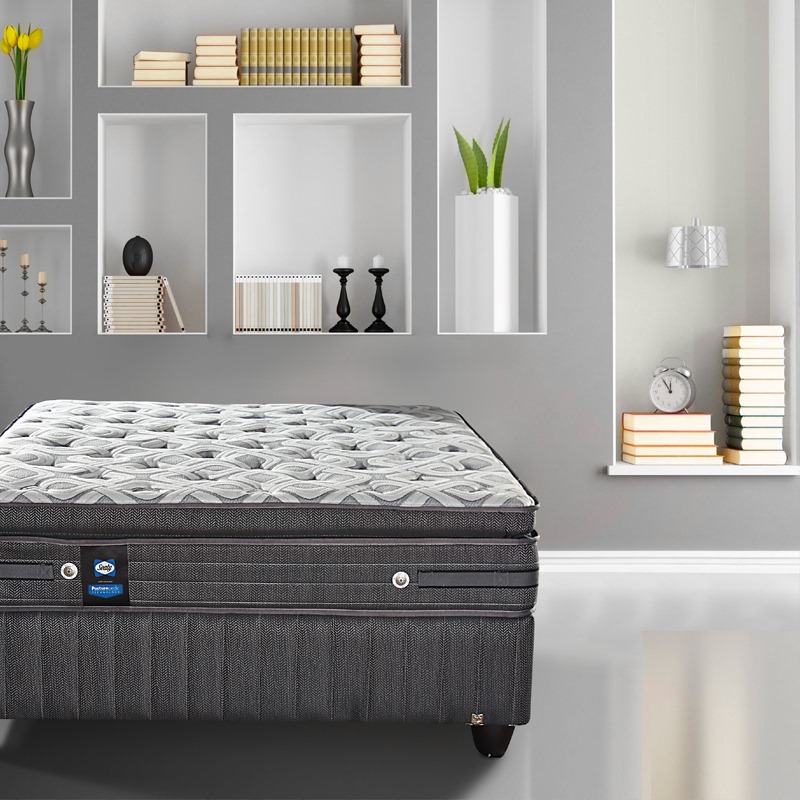
There are many situations that create the need for a new bed. Maybe you and your significant other are moving in together for the first time, or maybe you’re a parent, and you noticed your child’s feet hanging off the end of their bed. These are just a few of the many events that will inspire you to start shopping around. When this time comes, you’ll have to answer the question “What bed size should I get?”
Considerations when choosing a bed
- Who will be sleeping in it?
To help narrow down your options, let’s first think about who will use the bed. Is it for you and/or your partner, a child, guests that come to visit, or someone else? Think about how many people it needs to accommodate.
- Children and teens can easily sleep on a single mattress, though often appreciate the width of a double or queen mattress.
- While double mattresses can suit an adult or guests in a pinch, it’s often more comfortable to offer a queen mattress in case two people need to sleep on the mattress. If deciding between the two, let your room size be your guide (see below).
- Singles and smaller couples find they have plenty of room on a queen mattress. One helpful hint: this size is often the most common in retail showrooms, so you can easily judge its size by visiting a retailer near you.
- King mattresses are good options for taller people or for couples who prefer extra room, especially if little ones like to hop into bed with mum or dad.
- How much space is available?
Next, how much space do you have? This is obviously very important as the bed will need to fit comfortably into the room where it will be used. Consider the amount of space required for comfortable living, factoring in clearance for doors and drawers, walking around the perimeter of your bed frame and other furnishings., and leaving enough room to rotate your mattress without hitting walls. About 75–90 cm clearance or more on 2-3 sides is ideal.
- How much can you spend?
Like any major purchase, you need to set a budget. Beds can range widely in price depending on a few factors. As can be expected, the larger the bed, the more it will cost. However, you will run into other variables including the craftsmanship of the bed and the quality of the mattress. To ensure you find the right fit, run the numbers and identify your spending allowance up front.
- What are your current and future needs?
Lastly, be sure to consider your current needs as well as your potential needs for the years to come. For example, you may be thinking of purchasing a Single bed for your child. However, a few years down the road, they are likely going to outgrow it and need more room. With that in mind, you may want to consider a Three Quarter or a Double. This can help you to save money in the long run.
Bed size options
Below are mattress measurements for each Sealy bed size. It can be helpful to get an understanding for how a bed will fit into your room by marking out the dimensions on the floor using tape. Then you will be able to visually see which sizes will fit well.
- Single – 915mm x 1880mm
- Three Quarter – 1070mm x 1880mm
- Double – 1370mm x 1880mm
- Queen – 1520mm x 1880mm
- King – 1830mm x 1880mm
- Extra length (2000mm) is available on request
Interesting fact: Two adults sleeping in a double bed is really quite a squeeze. The width of a double bed is 1370mm, which means the shared space for each adult is much less than what they would have if they slept alone in a single bed (915mm).
Whether you want to buy online or try out a bed in store, the Sealy website is the best place to start. Use our Handy Store Locator to find the Sealy retailer closest to where you are, or Click Here to shop online offers.
5 tips for managing exam stress

2020 has been a strange year, and for matrics getting ready to write final exams soon, it must feel like the twilight zone. After a year of some combination of hybrid learning, home schooling, attending regular classes and sometimes not having class, South Africa’s grade 12s are buckling down to face exam stress and hopefully put this final year of schooling behind them.
Exam stress effects each student differently. Some relish the challenge and are able to stay focussed, some feel totally overwhelmed and can’t concentrate, while others struggle with anxiety and lack of sleep. We’ve rounded up a few top tips to help matric students get through this final matric exam season:
How to better navigate exam stress
Tip 1: Manage your time
Let’s first be clear about the following key points:
- Make a flexible timetable to organise your work
- Cover all topics in your schedule
- Put the difficult subjects at the top of your list
- Aim for a practical set of deadlines
Once you have organised your time according to your tasks, figure out how much time you need to invest in your studies. Taking that hour-count in mind, you can make the rest of your daily schedule. Remember to include time out for relaxation, exercises, etc.
Follow a routine and trust in your abilities but allow for some flexibility. You can avoid last-minute stress if you’re diligent from the start.
Tip 2: Try out mock tests and papers
Ask your teachers or search online for past matric exams. Write those tests within a certain time frame, just as you would a real exam. Not only will this help boost your confidence, but it will also help you identify any areas of work you need to focus on.
If you can’t access online tests, work with friends to create your own tests and test each other. Creating the tests and then answering the questions under “manufactured pressure” (i.e., simulating an exam environment with time constraints) will help you consolidate the knowledge further.
Taking mock-tests in the initial phases of preparation has two additional benefits:
- It conditions you for exam pressure
- It reveals your speed of writing
Tip 3: Maintain a balanced diet
It might be tempting to indulge in stress eating and grab a pack of Doritos or a big slab of chocolate, but a balanced diet is more important than ever during exams. Your brain needs enough energy to function properly.
The human body responds to exam stress by releasing cortisol, which is known as the stress hormone. It increases your blood pressure and your heart rate. Eating a healthy, balanced diet is known to help lower cortisol levels. Pay special attention to increase protein intake, eat less sugar, and keep hydrated.
Tip 4: Less social media
Ever start scrolling on your Instagram feed and end up clicking on one video, watching the next one, and the next, and the next… until it’s an hour later and you don’t know where the time went? This is the procrastination that comes with social media. Can you really afford to waste time like that during exams? Also, scrolling through photos and videos of your friends out having fun while you’re stuck at home study can create serious FOMO and you don’t need to add that to your exam stress.
Yes, down time is important, and sometimes mindless scrolling is exactly what the doctor ordered. But you’ll have to make sure you’re disciplined. Set an alarm to let you know when your time is up. If you don’t think you can be that disciplined, consider deleting your social media apps from your phone or installing an app that blocks particular sites.
Tip 5: Make sleep a priority
If you don’t relax your mind, it will be harder to retain new information – so make sleep a top priority during exams. A growing body of research shows the connection between good sleep and grades, impacting memory and problem-solving skills.
You may have heard that you need to get eight hours of sleep, but when you’re talking about sleep, the quality matters as much as how long you sleep. Deep sleep (also known as stage 3 and 4 sleep) is when your body reaches the deepest state of relaxation, helping you to wake up feeling refreshed. During deep sleep, your body regenerates cells and repairs tissues and bones, and your immune system is strengthened.
If you don’t have a comfortable mattress, you might struggle to fall into a deep sleep because your body simply can’t relax. You might end up tossing and turning, keeping your body alert. If you are waking up tired all the time, you might need to consider investing in a new mattress. Sealy’s zoned mattress made with exclusive Posturepedic Technology™ support the heaviest parts of your body, providing you with deep, targeted support for exceptional all-over comfort.
Sealy Posturepedic Technology™ supports your sleep by providing:
- Pressure relieving comfort for undisturbed sleep: from ultra-plush to cushion firm, built with premium materials.
- The support you need: deep-down orthopedically correct support with a superior edge support system.
- A system where everything works together to give you the same great comfort and support for a long time: extra durability that repays your investment day after day.
You’ve got this
These are unusual times, and Coronavirus has added a layer of stress in almost everyone’s lives – and especially for matrics who are dealing with exam stress. However, what you need to remember is simple. With consistent efforts, you can get through this.
Give yourself time whenever you feel drained out and don’t forget to remind yourself that this phase will pass soon. We trust your abilities and wish you the best for your examinations!
Working from home? Read these tips for staying productive

Coronavirus has many of us working from home, juggling home life and work life in a way we never have before. It can be challenging to remain focussed and productive when distractions such as children or that series you’re addicted to or the possibility of a nap are always at the back of your mind.
If you are working from home, first send a thought of gratitude to those members of our society – our essential workers and others – who are simply unable to work from home. Next, let’s talk about how you can get a great start to your day and stay productive while working from home, because we wouldn’t be surprised if remote working becomes the new norm well after Covid-19.
Tip #1: Set a consistent schedule – and that includes breaks
You will be more productive if you set a regular schedule for yourself. This means waking up at the same time every week day, and setting times to start and stop work. Don’t forget to schedule regular breaks as well. Productive people plan times to step away from their work, which allows them to rejuvenate and feel ready to tackle their tasks again.
Tip #2: Make lists, lots of lists
When working from home, you can become overwhelmed with work, home, and family tasks. A great tip is to start putting all your projects into lists. A list gets your thoughts out of your head so you can focus on the task at hand. Have checklists for the different aspects of your life, from projects around the house to work to family needs. Then, when something pops up, you can add it to the list, and keep working on the task at hand.
Tip #3: Don’t forget about self-care
Yes, we acknowledge that “self-care” might be a bit of a buzz word at the moment, but there’s a reason for that! One of the best ways to stay productive for others is to take time out of your week to do something for yourself. Giving yourself this gift takes some stress out of the current situation, and when you take care of yourself, you can take care of others.
Tip #4: Get enough sleep
The key to being productive is getting enough sleep. Sleep is important for your performance at work because it helps with learning and problem-solving. When you don’t get enough sleep, you might not be able to focus and you might even feel extra stressed and irritable, and lacking in motivation.
Sealy sleep tips
- If possible, try not to work from your bedroom or in bed. Keep work and bedtime separate, so your bedroom always feels like a place where you can escape, unwind and relax.
- Soak up some sun in the mornings. Being cooped up inside the house all day can mean less time soaking up valuable Vitamin D. Exposure to the bright natural light of the morning helps you sleep better and lowers feelings of depression and anxiety.
- Be smart about napping. It certainly is a real temptation when you work from home! If you have trouble falling asleep at night, limit naps to 15 to 20 minutes in the afternoon.
- Exercise during the day. The tougher your workout, the better impact it has on your sleep. However, try not to do vigorous exercise two hours or so before bed.
- Limit caffeine and nicotine during the day, cut back on sugary foods and don’t drink too many alcoholic beverages close to bedtime.
- Establish a good bedtime routine. Wind down before bed with a long, hot bath, some meditation, reading, etc.
- Create the optimal sleep environment. Keep your room cool and dark. Use comfy pillows and inspect your mattress. If your mattress has lumps in it, if it’s squeaky or if it’s sagging in places, it’s probably time to invest in a new bed. Mattresses should ideally be replaced every eight to 10 years.
In times of high stress, one of the smartest things you can do is invest in a good quality mattress so you can enjoy deep, restorative sleep. The technology that goes into every Sealy mattress has one important purpose: To enable the best sleep quality. Years of research and development go into each design, which is based on the foundational principles of orthopaedic support. This means a Sealy mattress is able to offer spinal support, which allows your muscles to relax, and also offers targeted pressure relief so that you don’t toss and turn during the night in an effort to get comfortable.
If you think your mattress might be interfering with your quality of sleep, spend some time browsing the Sealy range on our website. Our sleep research and sleep tech development is constantly evolving so if you haven’t bought a bed in the past 10 years, you’re missing out on our latest innovations and the chances are you’re also missing out on a mattress that offers next-level comfort.
Remember that not everyone’s home situation is the same. When it comes to working from home, what works for others might not be the best for you. However, when good quality sleep becomes a priority, you will find that not only can you handle stressful situations better but you’re also more productive, resilient and patient.
A Sealy adjustable bed: The Rolls Royce of beds

Adjustable beds are becoming increasingly popular as more people discover their many benefits. In addition to comforts such as varied head and foot positions, a wireless remote control, massage options, and much more, an adjustable bed can help increase blood flow, decrease snoring and add optimal support for sore joints and other ailments.
Adjustable beds were initially associated only with hospitals and health care, however that has changed significantly and these beds have evolved into luxurious and stylish additions for any home. If you’re serious about sleep, then investigate the benefits of an adjustable bed. They’re like the Rolls Royce of beds.
If you suffer from any of the following, an adjustable bed could make the world of difference:
- Chronic pain
- Shoulder arthritis
- Osteoarthritis
- Discomfort from recent back or neck surgery
- Can only really get comfortable in an inclined position, such as when seated in a recliner
The ability to adjust either the head or foot of the bed, or both, and to sleep inclined with a steady level of support can help ease discomfort and facilitate better sleep. For those who suffer from osteoarthritis, sleeping slightly inclined and with the right support can help minimise joint compression and provide a more comfortable sleep.
Adjustable beds can also improve blood circulation, help minimise snoring, and provide optimal support for sore joints.
The Sealy Posturematic Adjustable Power Base comes with a wireless remote, the option to programme custom positions as well as pre-set TV and zero-gravity positions. Other features of this world-class bed include a powerlift motor with a 270kg lifting capacity, LCD clock, alarm function, flashlight, indirect lighting, free-fall design safety feature, and a dual, variable-intensity massage function.
What is the “zero-gravity” position?
The zero-gravity position is often associated with adjustable beds – it’s one of the greatest benefits of these beds – but it was NASA who identified the benefits of this sleep position. This position is used to support the spines and bodies of astronauts as a spacecraft leaves the earth’s surface.
In zero-gravity, the head is raised slightly, and the knees are slightly bent as the legs are raised to about heart level. This position encourages relaxation as gravity is evenly distributed throughout the body.
Are you tired but can’t sleep because of partner disturbance?

Is your partner’s night-time behaviour keeping you up at night? Tossing and turning, snoring, frequently waking up and even mismatched bedtimes could result in you waking up several times a night. If you feel tired but can’t sleep because of these night-time disturbance’s, continue reading because we have some tips that might help.
Recurring sleep disturbance is one of the most common complaints of couples who share a bed, with women being the most frequently disturbed. These four tips will help combat those disruptive nights:
-
Buy a bigger duvet
Fighting over the covers – especially during winter – can leave you irritable, COLD and awake! The solution is buy a duvet that is bigger than your bed. It means there’s more duvet to go around and you can also tuck it under your mattress to help keep the duvet in place.
-
Stop the snoring
This is a tricky one to address. Snoring is caused by a combination of lifestyle factors such as poor diet, being overweight, smoking and drinking alcohol before bed. Snoring can also be influenced by sleep position, so if your snoring partner is sleeping on his or her back, try to convince them to sleep on their side. There are also anti-snoring devices and pillows you can invest in.
-
Consider a “sleep divorce”
Many couples report that sleeping in separate rooms has not only improved the quality of sleep but also their relationship. This is not surprising when you consider that a lack of sleep can make a person irritable and irrational. Of course, if you choose to sleep in different bedrooms, it’s important that you make the additional effort to keep the intimacy in your relationship.
-
Invest in a new mattress – or two
It’s worthwhile considering investing in a new mattress. If your mattress is old with broken springs and sagging foam, not only does it interrupt your sleep but you will also feel all your partner’s movements.
Sealy mattress technology has changed and developed so much over the years and if you’re sleeping on a bed that’s 10 years or older, you might be pleasantly surprised by the comfort levels available now. For example, the Sealy la difference mattress range features the PostureTech PRO encased Coil-in- Coil inner spring system which adapts constantly and subtly to your weight and body shape as you move in your sleep. While this doesn’t totally eliminate partner disturbance, it does minimise it greatly. Click here to find out more about the la difference mattress range.
Another option is to have two different mattresses on the same bed. Then you can still sleep in the same room, and have different comfort levels and you won’t be disturbed by your partner tossing and turning.
A look at the latest sleep wearables
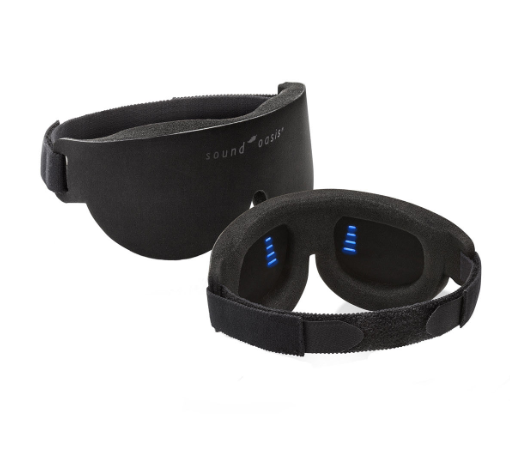
With the world finally starting to understand the undeniable impact of good quality sleep, there is a variety of sleep wearables available today. From the more familiar smartwatches and fitness trackers to the new tech in sleeping masks and headphones, all sorts of options are out there.
In this blog post, we investigate some of the best options available and how they work.
Smartwatches
Smartwatches, probably, are the most commonly used sleep wearable around. They can track your sleeping patterns effectively and provide you with accurate information on your sleep stages, awake times, snoring habits, and more.
If you’re looking for the best options in smartwatches, Fitbit Versa 2 is one of the best sleep trackers on the market. It’s a lightweight wrist watch that allows you to check out your deep, light, REM sleep stages as well as awake times every day. It even allows you to do a comparison of your nights with other individuals in your age group or how it was last month.
It comes with a tri-wavelength sensor and a relative SpO2 sensor for unlocking Estimated Oxygen Variation as you sleep. This feature measures your blood oxygen levels along with any large swings that may indicate certain sleep disorders such as sleep apnea.
Depending on your sleep duration, heart rate, sleep restoration, blood oxygen, and the time you spent tossing and turning around, it gives you a certain sleep score. As a result, you can better track how good you are sleeping every night.
Rings
If you don’t feel comfortable wearing fitness trackers and smartwatches, you can opt for rings that can help you track your sleep. The Oura Ring 2 is a small-sized, comfortable sleep wearable. It is equipped with multiple sensors and looks like a novel piece of jewelry.
The Oura Ring 2 features an infrared heart rate monitor, an accelerometer, a gyroscope, and three temperature sensors. It can effectively track your sleep and can tell you the amount of time you spend in every single sleeping stage. There is plentiful information available on its companion app too.
Sleep Masks
Sleep masks are another increasingly popular type of sleep wearables available today. They are actually meant to promote better sleep through sleep therapy.
The Sound Oasis Glo To Sleep Therapy Mask, for instance, uses Glo Points photoluminesce to allow alpha waves to calm your mind while relaxing the body at the same time. It’s a lightweight product that offers excellent light blockage to allow for more comfortable sleep. Made with a hypoallergenic, soft and breathable material, it comes with an adjustable strap that so it can fit perfectly.
Bands
Wrist bands are also among common sleep wearables used today. The Xiaomi Mi Band 4 is a slim, light, and affordable wrist band that monitors your heart rate and gives you a sleep score depending on the time you spent in each sleep stage. It also offers detailed sleep analysis reports through the companion app too.
Headphones
If you can’t sleep in noisy bedrooms, sleeping headphones are probably your best companion. They can effectively block any disruptive noises from neighbors, traffic, snoring partner, or any other source that may affect your sleep quality.
The Moonbow Bedphones are an impressive introduction to the sleep wearables category. These are super-thin, soft foam-covered sleeping earphones. With their low-profile patented on-ear design, they are quite comfortable and allow for comfortable side-sleeping.
Sealy Posturematic Adjustable Foundation
While the Sealy Posturematic Adjustable Foundation is not exactly a tech wearable, it is an impressive piece of sleep tech that will help you get the best sleep of your life. And quality sleep is definitely a good wearable! The Sealy S600 Posturematic and Power Foundation bed will change the way you look at beds forever. With these high-tech beds, you can adjust the mattress to suit your needs, whether you want to lie down flat, with your head up or your feet up. The bed also has a built-in LCD clock, indirect lighting, dual massage and it’s very own remote control. Click here to find out more about this ground-breaking Sealy bed.
The link between sleep and anxiety, depression

Whether you’re struggling to sleep some nights or finding yourself awake for most of the week, there is no better time than during Mental Health Awareness month to explore the link between sleep and anxiety or depression. With sleep deprivation causing so many negative effects on our health, finding a way to overcome this can be huge.
There is a complex relationship between sleep and anxiety, as well as depression. While anxiety and depression could be the reasons you aren’t getting enough sleep, they can also be the outcome of not sleeping enough. This makes it a difficult mental challenge to overcome.
According to the Sleep Foundation, “People with insomnia have greater levels of depression and anxiety than those who sleep normally. They are 10 times as likely to have clinical depression and 17 times as likely to have clinical anxiety.”
For people with a history of insomnia, sleep problems are magnified during times of high stress – which would explain why many people reported having sleep issues during the height of the Coronavirus lockdown and the subsequent weeks that followed. A constant flow of anxiety-provoking news can cause havoc with our sleep.
Other factors that could impact sleep and anxiety
- An uncomfortable sleep environment
- Poor diet
- Not enough exercise
- A mattress with insufficient support
- Too much screen time
- No real bedtime routine
A recent article from Harvard Health Publishing indicated that while a lack of sleep is often a symptom of various psychiatric conditions, sleep deprivation is also one of the causes of many mental health problems. A good night’s sleep can leave us feeling refreshed, energised and ready to take on whatever the day has to throw at us. However, bad sleep seems to make our day a little harder. We feel sluggish, foggy and can’t seem to focus on anything for too long. Consistently bad sleep could eventually take its toll on our mental health because it wreaks havoc on the brain and challenges concentration, creativity, problem-solving skills and emotional regulation.
Steps to take for a better night’s sleep
- Consider a consulting a professional for advice – whether it’s someone to help you work through your emotional challenges, or if it’s someone to help you with physical pain that you’re experiencing.
- Assess whether your body is adequately supported and if your bones are properly aligned while you’re sleeping. If your mattress is uncomfortable, you will have difficulty falling asleep and staying asleep and when you wake up, you might experience pain and body aches.
Look for a mattress with orthopaedic support
It’s not uncommon for people to sleep on a mattress past its expiration date or to have a low-quality mattress to begin with. This can have detrimental consequences on your sleep quality, so look for a mattress manufacturer with technology that focuses on orthopaedically correct support.
Through constant research and development, and collaboration and studies with orthopaedic surgeons all over the world, the Sealy team has established the best ‘criteria’ for optimal sleep. Building upon the recommendations of these world class orthopaedic surgeons, Sealy constructs mattresses with unique spring systems for body support, topped with foam and comfort layers with pressure relieving properties – meaning the body is in its natural position to fully relieve muscular tension. This is known today as Sealy’s exclusive Posturepedic Technology™, which targets the heaviest part of your body, with reinforced support where you need it most. Only Sealy with exclusive Posturepedic Technology™ mattresses give you deep-down push back support for exceptional all-over comfort.
Sealy Posturepedic Technology™ supports your sleep by providing:
- Pressure relieving comfort for undisturbed sleep: from Ultra-Plush to Extra-Firm, built with premium materials.
- The support you need: deep-down orthopedically correct push-back spring system, surrounded with a superior edge support system.
- A system where everything works together to give you the same great comfort and support for a long time: extra durability that repays your investment day after day.
Sleep is an important factor of a healthy lifestyle because adequate amounts of sleep lead to boosted immunity and mental wellbeing.
Seven tips for a great night’s sleep during menopause

As women approach their 50s, their hormones began to change, causing perimenopause, menopause, and finally, postmenopause. Each woman experiences these stages differently, but many women report having hot flashes, mood swings and poor sleep during menopause.
The National Sleep Foundation reports that 61% of women in perimenopause or menopause experience poor sleep during menopause. (1) The issues reported include waking up in the night, night sweats, insomnia, and breathing problems, like apnea. All of these cause poor sleep. Lower quality sleep is linked with feeling fuzzy-headed, a reduced ability to form memories and make decisions, and depression. (2)
Tips for getting better sleep during menopause:
- Give yourself a bedtime. Just like you would set a bedtime for a child because you love them and want them to get their rest, you need to do the same for yourself. Pick a time and stick with it nightly.
- Create an evening routine. Have a set of steps that you do each night to tell your body it’s time to go to sleep. The routine might include skincare, brushing your teeth, and dressing for bed. Try do them in the same order every night.
- Stay away from caffeine and alcohol. Caffeine keeps you awake. So try to avoid it after 3:00 p.m. This includes caffeinated teas and chocolate. Though many people think alcohol helps them sleep, in fact, it decreases the quality of your rest. Try to avoid it in the evening.
- Avoid screens at night. An hour before bedtime, put away your computer, tablet, and phone. These devices keep you awake, and your brain stimulated.
- Block out the sound and light. Consider investing in sleep aids like earplugs, a sleep mask, a white noise machine, or blackout curtains. These devices can help make your bedroom more conducive to sleep.
- Practice meditation, journal writing, or yoga. Stress also makes it harder to fall asleep. Consider adding in some quiet, contemplative activity as part of your evening routine.
- Sleep in cool fabrics. Many women experience hot flashes and night sweats. Look for bedclothes and sheets that are cooling and comfortable to sleep in.
- Inspect your mattress. If your mattress is old or uncomfortable, it could be interfering with your sleep. Memory foam mattresses tend to get hot because the dense material lacks interconnected air channels and as a result heat is easily absorbed. Spring mattresses, like the Sealy Crown Jewel collection, are especially made with a cover fabric that is cool-to-the-touch and encourages climate control and breathability. The Sealy Crown Jewel is also made with a wool filling, which is important in maintaining the perfect bed climate. Pure, new wool has a natural ability to both warm and cool, helping you stay dry and relaxed at a comfortable temperature.
Sleep is vital for physical and mental health. In the short term, missing even just a few hours of sleep can affect how you function during the day. Over the long run, sleep is required for a healthy immune system. These seven tips are a great start to ensuring a perfect night’s rest.
———————————————————————————————————-
Works Cited
(1) “Get A Better Night’s Sleep During Menopause | Piedmont Healthcare.” Piedmont Healthcare, 14 June www.piedmont.org/living-better/get-a-better-nights-sleep-during-menopause.
(2) “Sleep Deprivation and Deficiency.” National Heart, Lung, and Blood Institute (NHLBI), www.nhlbi.nih.gov/health-topics/sleep-deprivation-and-deficiency.
Can’t sleep? Make your bedroom hotel-room comfy

Now that most of us are confined to our homes and taking Coronavirus safety precautions, some of us might be missing the deep sleep comfort that comes with a typical hotel room. If you can’t sleep, maybe you should consider making your bedroom hotel-room comfy with luxurious linen, perfect pillows, black-out curtains and of course a good quality mattress.
That’s exactly what South African blogger, Nonkululeko Britton-Masekela, says she’s going to do. In a recent collaboration with Sealy, Nonku wrote a blog post highlighting her recent struggles with sleep. Click here to read Diary of a sleep-deprived, overworked woman (clutching to her sanity), where Nonku says that before lockdown one of her favourite things to do was to take some time out on her own, a night or two away from the stresses of home life.
“Most importantly, I would look forward to the sleep – in that luxurious, crisp white bedding, dreamy pillows and their incredibly comfortable beds,” writes Nonku.
If you can’t sleep, check out Nonku’s blog post which includes some tips on exactly what to do to make your bedroom hotel-room worthy.
Can’t sleep? Your mattress could be the culprit
There are a variety of reasons why you might not be sleeping so well – anything ranging from stress, to too much screen time, not enough exercise and even a bedroom that is too hot or too cold. But one of the most overlooked sleep thieves is an old, uncomfortable mattress. If you can’t sleep, look out for the following signs that your mattress could be culprit:
- Your mattress is more than eight years old
- Your mattress squeaks and there are lumps and pumps on the mattress
- You have “taco bed” – when you seem to roll into the middle of the bed
- You get better sleep when you crash on the couch or in your child’s bed
- You wake up with aches and pains
A Sealy mattress will help you enjoy a rejuvenating sleep each and every night. Sealy is the biggest bed brand in the world, operating in more than 50 countries, and has become a household name dedicated to making the finest mattresses.
Through constant research and development, as well as collaboration and studies with orthopaedic surgeons all over the world, the Sealy team has established the best ‘criteria’ for optimal sleep. Building upon the recommendations of these world class orthopaedic surgeons, Sealy constructed a mattress with an interconnected spring system topped with foam and comfort layers that could support the ideal sleeping posture – meaning the body is in its natural position to fully relieve muscular tension. This is what’s known today as Sealy’s exclusive Posturepedic Technology™, which targets the heaviest part of your body, with reinforced support where you need it most. Only Posturepedic Technology’s zoned mattresses gives you deep, targeted support for exceptional all-over comfort.
Sealy Posturepedic Technology™ supports your life by providing:
- Pressure relieving comfort for undisturbed sleep: from ultra-plush to cushion firm, built with premium materials.
- The support you need: deep-down orthopedically correct support with a superior edge support system.
- A system where everything works together to give you the same great comfort and support for a long time: extra durability that repays your investment day after day.