
Should School Times Start Later?

The Industrial revolution changed not only when we work (earlier start, longer shifts) but also when we are required to wake up.
Human beings are programmed to follow the sun to bed and wake as the sky lightens. However, for most families, industrialization has meant waking long before sunrise to commute to work.
This shift threw our kids sleep under the bus too. Parents had to get to work earlier, so kids had to get to school earlier too. School used to begin around 9am but has started to shift earlier and earlier over the last 100 years.
Waking up earlier has led to many children and their parents not getting the sleep they require. It is a common phenomenon for young children to be woken between 4am and 5am in order for the family to be where they need to be by 7.30am.
In South Africa, this sleep crisis is felt more severely due to:
- Our unreliable public transport system
- The large distances between where we live and where we work
- Our closest, local schools may not provide optimal education for our children
- The high rates of unemployment leave many employees fearing that they could lose their job if they ask for a later start time to drop their children off at school
These are real logistical issues, but the question must be asked: Should school start times be set to fit around parents schedules or what the child needs to learn?
Our goal as a society should be to get kids to school ready to learn, not sleep deprived.
What time does your child start school and would you prefer them to start later?
We would love to hear from you.
______________________________________________
The Difference in your Sleep… Discover the new la différence bed by Sealy
Do kids really grow when they sleep?
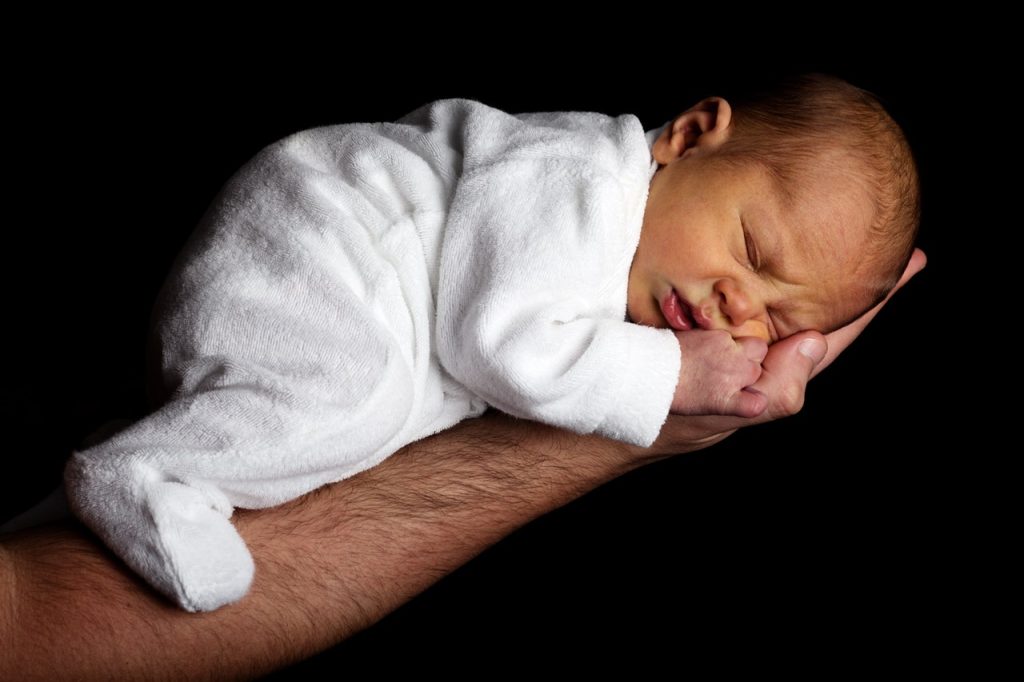
I want to be taller – can sleep help me grow?
– Sophie Age 6
It is indeed during deep sleep that growth hormone does its job. Growth hormone is made and released from the pituitary gland in our mid-brains and is very important for, you guessed it, growth.
During deep sleep states, when your body is totally relaxed, growth hormone instructs your bones to thicken and length.
The activities that you do during the day can also have an impact on how tall you get. Being active and doing jarring activities like skipping, jumping and falling will cause tiny breaks in your bones which will signal to your body that repair is needed that night.
What you eat can also have an impact on your growth. If you are eating enough proteins, vitamins and minerals every day (think fruit, vegetables, dairy and lean meats) then your body will have the building blocks it needs for strong bones. If you eat mainly carbohydrates and fats, then your body will be able to grow wider, but not taller.
Children who do not get enough to eat, or the right stuff to eat, are called ‘stunted’. This means that although they could have been taller, they won’t be as tall as they could have been because they didn’t have the building blocks they needed.
Not growing, or growing too much, can be a sign of a medical condition:
- giganticism is when there is too much growth hormone and you grow very tall, very fast
- hypopituitarism is when there is not enough growth hormone and you grow very little or not at all
If you are very worried that you are too tall or too small for your age then get your parents to take you for a check-up at your local doctor.
There is also more useful information on this site
How to get your kids to sleep better when they’re on Summer holiday

School is out and summer holidays are here! Whether you plan on taking a staycation, or heading off on a family holiday, you may already be dreading the nights that lie ahead of you.
Many adults and children become very anxious when they consider the idea of being ‘out of their sleep routine’ for a few weeks. Most parents’ mental health rests on their young children’s predictable sleep schedule – kids asleep = work day is over.
A recent article in the UK’s telegraph has gathered holiday sleep tips from various experts. Here our own Sealy sleep expert, Roxanne Atkinson, examines their advice and offers her own wise counsel.
Summer holidays are made of dripping ice-creams, squishing sand between your toes and enjoying the warm sun on your back. Well, at least that is how we remember summer holidays from our childhoods.
For parents, summer holidays can bring to the surface an interesting tension-
- parents want to make lasting memories with their children; and
- parents want a chance to relax and recharge.
The good news is that a change of scenary and lack of tight school and work schedules can offer a chance to bond. The bad news is that if the whole family is struggling to sleep, you are pretty much guaranteed tears and tantrums… and I am not just talking about the parents here!
Follow these five sleep protection principles to give your kids enough Zzzzzz.
- Let nature guide their sleep-wake cycle
Encourage your children to rise close to sunrise and sleep close to sunset. Yes, I know you want to sleep in, but this may not be feasible. Get to the beach or hotel pool early and the swimming and sea air should equal an afternoon nap. This is great as it keeps you out of the dangerous midday sun and your children will remain buoyant and bouncy until sunset. No naps? You just won yourself an easy evening. Get dinner sorted early because your kids are bound to fall into bed earlier than usual.
- Make their sleep environment comfortable
Summer brings with it high temperatures and plenty of nocturnal insects. Arm yourself with a room fan, mozzie net and/or insect repellant to protect their precious sleep. If you can, request a room with air conditioning and set the room temperature to a temperate 21 degrees celsius.
- Recreate their home sleep environment
If you co-sleep at home, co-sleep on holiday. If you use a cot, find a cot for your baby to sleep in that resembles their one at home. If your toddler or child have their own rooms, try and find a way to recreate this. You may need to put up a screen to block them off and recreate their sleep space. Don’t forget to pack your baby monitor (or download a baby monitor app to your smart phone) so that you can rest assured that babe is safe.
- Make the most of your evenings away
If you are lucky enough to have a deep sleeper, then you may be able to do some adult evening adventures using your pram or sling. After doing their normal sleep routine, pop them in the pram/sling/car seat and see if you can enjoy a few hours out while your babe is in their first and deepest sleep phase. Could you create a ‘bad habit’? Perhaps, but hopefully the memories last longer.
- Use positive sleep associations
Vacation is probably not the best time to try and go without a sleep crutch such as a dummy or favourite stuffed toy. Pack your baby or child’s favourite bear, blankie and bottle… or even better, pack in a spare if you can!
Here’s to great sleep on your family holiday.
Can ‘alternate’ sleep training strategies help babies and kids sleep better?

There has been a strong outcry (pardon the pun) by mental health experts against the ‘cry it out’ sleep training method that has gained popularity in modern western parenting over the last 10 years.
Whilst experts and families have long acknowledged short-term gain in sleep behaviour after sleep training (until the next bout of illness or teething spell), there has always been concern about the long-term effects of encouraging parents not responding to their young’s needs.
A new study out of Australia, “Five-Year Follow-up of Harms and Benefits of Behavioral Infant Sleep Intervention: Randomized Trial,” published on the American Academy of Pediatrics website followed 225 children from infancy through age 6 to track whether a behavioral sleep program had long-lasting effects on children’s mental health, stress levels, the child-parent relationship, or maternal mental health.
Parents who reported sleep problems in their 7-month-old infant were eligible for the study. Half the parents were offered a sleep program (lab rats) whilst the other half were not offered any advice (control group).
The lab rats were educated regarding the use of positive bedtime routines plus using one of two behavioral techniques:
- controlled comforting: parents respond to their infant’s cry at increasing time intervals to allow the child to self-settle (sounds just like the cry-it-out method, hey?)
- camping out: parents sit with the child as the child learns to independently fall asleep, slowly removing their presence from the child’s room.
Here is what they learned about these sleep strategies:
- Both groups of lab rats who had used a bedtime routine plus either sleep intervention showed short-term improved sleep quality (yes, this makes sense).
- Some showed improvement in the children’s and mothers’ sleep and mothers’ mental health as late as age 2.
- However, by age 6 years, both the lab rats and the control group had similar mental and behavioural health, sleep quality, stress and relationship with their parents.
What these sleep strategies mean for parents:
- This study shows that implementing a routine and trying to teach your baby to sleep better may help your baby sleep better.
- If you do not teach your baby any sleep strategy, they will be the sleeping the same as any other sleep-trained baby by 6 years old.
- The study was done over years with the lab rats leaving the lab and going home. It is impossible to know how often or in what manner the sleep strategies were applied by the parents (if at all).
Most importantly, the study does not define what ‘sleep problems’ are. Many parents worry that their babies have sleep problems when they are developmentlly normal. Feeding, holding and helping your baby to calm regularly are good parenting practices and should not be avoided due to fear of spoiling the child’s sleep.
For more from the American Academy of Paediatrics about how to know if your baby has a sleep problem follow this link.
Looking for the perfect mattress? Have you tried our Mattress Finder?
Calculate how much sleep you’ve lost to parenthood

You know how tired you feel, but do you know how tired you actually are?
It’s no secret that babies and young kids are sleep thieves, but I think it may be rather therapeutic to count the exact cost if you know what I mean.
Typing in your kids ages is all that’s required on the Lost Sleep Calculator for Parents.
Online interiors store Hillary’s, has allowed many new and old parents to compare their sleep debt, creating some hilarious interactions online.
Frustratingly there is no functionality that allows parents to tailor the results… so all mothers and fathers of a 1 year 6 month old baby would have to report that they have lost the same amount of sleep… 2589 hours or 108 days or 4 months to be exact.
It’s a bit of a raw deal if you were the primary carer while your partner got to sleep through the chaos… or if your baby was a catnapper that woke every two hours while your best mate’s baby slept ‘through’ at 6 weeks… or if your baby teethed for two whole long years while smiley-gym-moms baby popped out all twenty teeth in one weekend.
But even if it’s not altogether reliable or sophisticated enough to measure your life, it’s still great fun. Give it a try here.
Read our Sleep Tips to help you ensure you’re getting the most out of the sleep hours you do get.
Sleep wedges and positioners are not safe for your baby
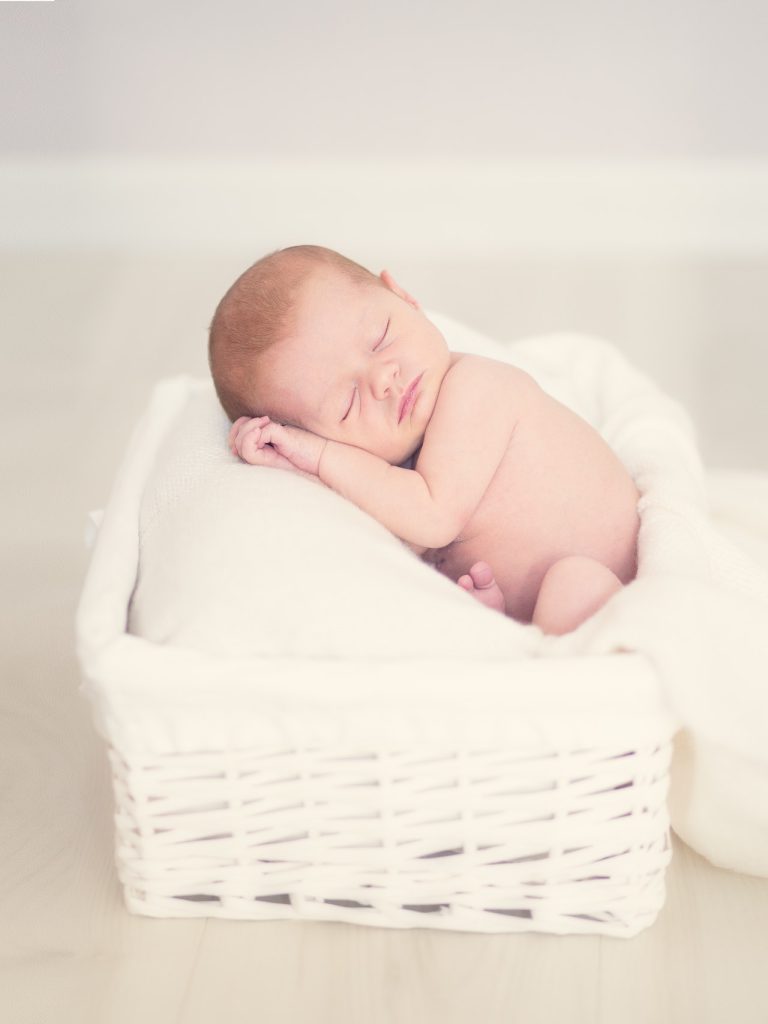
Retailers have taken baby sleep wedges and positioners off their shelves
Major US and UK-based retailers have halted the sale of these devices after the US Food and Drug Administration (FDA) linked the products to at least 12 baby deaths in America, in some of which, babies had rolled from their side to their front and suffocated.
Big names such as John Lewis, Tesco, Mothercare and eBay have removed all baby sleep wedges and positioners from their ‘shelves’.
Many new moms are given, or purchase a sleep wedge or sleep positioned system to help their young baby sleep in one position, in the hope that they may ‘sleep longer’ and ‘more safely’.
The FDA said it was “reminding parents and caregivers not to put babies in sleep positioners. These products – sometimes also called ‘nests’ or ‘anti-roll’ products – can cause suffocation (a struggle to breathe) that can lead to death.”
In agreement with the FDA is the American Academy of Paediatrics (AAP). The AAP’s ‘Sleep Safe’ campaign went live in October 2016. They released 19 recommendations one of which was the removal of all loose sheets, bumpers, wedges, pillows or toys in the cot.
No major South African retailers have released any statements about where they stand on the issue.
To find out more information about how to help your new baby sleep safe you can read more of the ‘Sleep safe’ guidelines here.
Safe baby sleep tips
Did you know; there should be no loose sheets, bumpers, wedges, pillows or toys in your baby’s cot? Get peace of mind and cover your baby’s mattress with the Sealy Posturepedic® Soft Touch Cot Mattress Protector – it’s made from natural bamboo fabric and is a breathable fitted sheet.
Part 2: SIDS in South Africa

In Part 1, we looked at the most recent report released by the American Academy of Paediatrics regarding the risks and recommendations surrounding Sudden Infant Death Syndrome. This advice may have shocked many South African families for whom co-sleeping and baby-wearing are a part of our daily lives.
In Part 2 we take a look at SIDS in South Africa and safe to sleep practices in countries beyond the borders of the USA.
There is very little research available about the incidence of SIDS here in South Africa, where infants are more likely to die from infectious diseases such as Tuberculosis and HIV and fatal injuries due to drownings, car accidents and fires.
In general, Asian and African countries reported a lower incident rate of SIDS compared to the Western world. They also have the highest incidence of co-sleeping. Are Africans co-sleeping in a different way to Americans and could co-sleeping actually be a protective factor for South African babies?
In America, there are 0.5 deaths per 1000 live births. In Zimbabwe, the incidence is only 0.2 deaths per thousand live births in black township communities. In South Africa, statistical data showed a rate of 1.06 deaths per 1000 live births for white babies, but only 0.3 deaths per thousand for black infants.
This means that the majority of South African babies are less at risk of SIDS than American babies despite the common practice in Zimbabwean and South African townships where babies do not have their own room and co-sleeping is the norm.
Because of these cultural differences, the Child Safe campaign (a South African initiative) is a great place for South African families to gather advice on how to keep their babies and children safe at home. The Child Safe campaign recommends avoiding any product with loose fittings and strings and staying away from non-breathable fabrics that could cause your baby to overheat. The Sealy Cot mattress takes this into consideration in its design – the mattress is breathable but also easily cleaned with the wipe of a cloth.
Another sleep safe initiative may be the simplest of all: A cardboard box. Finland recently introduced the Maternity Box, a cardboard box that gives all Finnish babies a safe place to sleep for their first six months. The country has seen a significant reduction in infant mortality rates.
Read Part 1: What parents can do to prevent the risk of SIDS
Written by Roxanne Atkinson
Part 1: What parents can do to reduce the risk of SIDS

Sudden Infant Death Syndrome (SIDS) is a new parents’ greatest fear. SIDS is an inexplicable phenomenon that occurs across the globe in all cultures – some infants die suddenly in their sleep. Despite thorough investigations including a review of the clinic history and autopsy, no cause of death can be found.
Because newborns spend between 12 and 17 hours asleep in their first few months of life, the infants are often unsupervised at the time of death and so parents are left with many unanswered questions. Did they die peacefully? Is there anything we could have done to prevent this happening?
In Part 1 we cover how you can help reduce the risk of SIDS in your home
There are a lot of questions we cannot yet answer, but what we do know about SIDS has been gathered through studying thousands of cases: >>>
• The incidence of SIDS peaks in infants between 2-4 months
• Premature infants are more at risk than full–term infants
• More infants died whilst sleeping on their stomachs than on their backs
• Breastfeeding was a protective factor – exclusive breastfeeding had the most protective effect, but some breastfeeding was better than none at preventing SIDS.
• Co-sleeping (especially with a parent/partner who was a smoker) is a common factor in SIDS cases
• Another risk factor is a baby sleeping on or near parents who are under the influence of alcohol, prescription medicine or sleeping pills
• Sleeping in a room away from parents increased the risk of SIDS
• Co-sleeping on a couch or on an old, soft mattress were also risk factors
• Interestingly, devices that recorded a baby’s heart rate and breathing did not seem to be a protective factor in reducing SIDS.
• The use of a dummy/pacifier is a protective factor, even if the dummy falls out the infant’s mouth.
• Swaddling is a risk factor once a baby has learned to roll.
The American Association of Paediatrics (AAP) recently held a press conference to unveil the “Safe to Sleep” campaign. This is the first time since 2011 that infant sleep guidelines have been published.
Here is a summary of the recommendations to new parents:
1. Babies should sleep on their backs in a separate cot/crib/bassinette in the same room as their parents until at least one year of age
2. A baby’s cot should be fitted with a firm mattress that fits snuggly in the cot, such as the Sealy cot mattress
3. The mattress can be covered with a thin, fitted mattress protector, such as the Sealy Posturepedic® Soft Touch Cot Mattress Protector, made from natural bamboo fabric and a breathable fitted sheet. There should be no loose sheets, bumpers, wedges, pillows or toys in the cot.
4. The baby should be dressed in the correct amount of layers of clothing and/or use wearable blankets. Loose blankets, quilts and weighted blankets should be avoided.
5. All electrical wires, window blind cords and dummy cords should be removed from the cot.
6. Place them in their cot for every nap and every night sleep.
7. Avoid allowing baby to sleep in a baby car-chair or sling where they may overheat or suffocate. Move them to their cot as soon as possible.
In terms of cot alternatives, parents are encouraged to think critically when buying products such as co-sleeping bed extensions and baby crib hammocks such as the Cresent Womb newborn hammock and to apply the same recommendations to these devices.
The Sealy Cot Mattress – Giving your baby the best start

Every parent aims to give their baby the best they can and most nesting begins with just that… building your baby’s very own nest or nursery. Most moms-to-be feel terribly anxious until they are satisfied with where and how their baby is going to sleep. One of the biggest decisions that parents-to-be face is whether to co-sleep with their baby or put their baby in its own cot. The Sealy Cot Mattress is the answer for many moms.
Whatever you decide, there will be many times in that first month (and beyond!) where a cot will be a practical solution during self-care activities (bathing, dressing etc..), whilst minding other children or pets or if co-sleeping means you’re not getting much sleep at all.
The style of cot is dependent on your personal taste but a good quality mattress is a must. Sealy has two exciting products that will surely enhance your nest. The first is the Sealy Cot Mattress made of natural fibres that are waterproof, but breathable. The mattress fibres have a polyurethane layer that allows air to pass through but prevents liquids from following along. This ensures that the mattress retains its anti-bacterial properties despite the spills and thrills that come along with baby-rearing. At the same time your baby is ensured comfort and ventilation. Furthermore, Sealy’s individually wrapped pocket springs give postural support to your babies developing body. To clean simply wipe down the mattress with a damp cloth.
The second product is the Soft Touch Bamboo Cot Mattress Protector. Bamboo is a soft, natural fibre that absorbs six times more moisture than cotton. The mattress protector serves to make your mattress last longer but also to keep your baby as comfortable as possible.
A good night’s rest is one step closer with a safe sleeping environment that is clean, dry and warm. Visit the Sealy website to find out more about Sealy’s range of mattresses and accessories.
Read more about babies and sleep here: