
Firm or soft mattress – Which is best?

Deciding between a firm mattress and a soft mattress is not such an easy task. It depends on personal preference and your unique sleep requirements.
Side sleepers are often more comfortable on mattresses that range from medium to plush. Back sleepers tend to gravitate towards firmer-feeling mattresses, while stomach sleepers usually favour a medium feel (not too firm, not too soft).
Consider a firmer mattress if you often feel overly warm at night. You may wish to look for mattresses that has climate control fabric that encourages breathability, like the mattresses in the Sealy Crown Jewel collection. Mattresses made with pure new wool have a natural ability to both warm and cool, helping you stay dry and relaxed at a comfortable temperature.
If the bed is intended for guests, consider a mattress that will suit a wide variety of sleepers. A medium to firm mattress is usually recommended in this case.
Firm or soft mattresses – use the Sealy Mattress Selector for guidance
The Sealy Mattress Selector helps take the guess work out of choosing a new mattress. Simply answer a few questions online and we will recommend the best mattress for your needs. Click here to get started.
Make sure it’s #ClearlyASealy
When shopping for your new Sealy, it is safest to make sure you are purchasing your bed from an Authorised Sealy Retailer, and you receive an official invoice. Remember, our list of authorised retailers are on the Sealy website. Click here to view a list of Sealy retailers. If the store you’re shopping at isn’t on this list, contact us to check if that store is in fact authorised to sell Sealy mattresses.
If you visit different stores testing out the various Sealy beds, the specific models might not be an exact match. Sealy retailers choose their own bed names, so when you shop at different stores, the names will be different. Browse the Sealy website to view the full range from which retailers choose certain models to sell.
All Sealy mattresses come with a warranty, which will protect you in the unlikely event of a factory defect. Once you purchase your Sealy, visit our website to register your warranty. This is a good way to protect your investment. A warranty is your protection against defective workmanship – it is not a guarantee of product life or more important, of comfort life.
Sleep tips for seniors

According to the National Sleep Foundation, about two-thirds of elderly adults experience one or more symptoms of sleep disturbance at least a few nights a week. In this blog post we highlight some sleep tips for seniors.
Lifestyle changes impact sleep
Retirement usually means less time outside of the home, and more time napping during the day, which could impact night-time sleeping. Loss of independence and social isolation can also cause anxiety and stress, which contributes to sleep disturbances.
A changing sleep architecture and schedule could also disrupt sleep. Many older adults find a change in their circadian rhythms as their bodies naturally start to wake up earlier. The early mornings often result in the need for an afternoon nap.
Older adults tend to get less deep sleep, staying in the lighter phases of sleep. This, coupled with more frequent night-time urination, usually translates into less restful sleep.
How chronic medical problems affect sleep
While sleep disorders tends to increase with age, much of the sleep disturbance among the elderly is caused by medications used to treat chronic physical and mental illness. In general, people with poor health or chronic medical conditions have more sleep problems. For example:
- Hypertension is associated with snoring and sleep apnoea; both increase as we age.
- Heart failure and disease affects a significant number of Australians, who also have sleep apnoea.
- Menopause, with its accompanying symptoms, can lead to many restless nights.
- Gastroesophageal reflux disease (GERD) causes difficulty falling and staying asleep. This is more likely to occur while lying on your back.
- Sleep patterns among people with dementia are typically fragmented, and this fragmentation increases as the condition worsens.
- Sleep-disordered breathing occurs more frequently in those with Alzheimer’s disease, while those with Parkinson’s disease are more likely to have RLS symptoms.
- The pain and discomfort of arthritis and other musculoskeletal conditions make it difficult to sleep through the night.
Sleep tips for seniors
- Get the foundation right: A good mattress. If you’ve been sinking into an old bed that’s lost its shape your body is not being supported and your unique sleeping posture isn’t being accommodated. If your mattress is too firm or too soft, you might experience back and joint pains. Sealy’s exclusive Posturepedic Technology™ mattressesare built strategically to help provide proper support for the entire body, comfort for a great night’s sleep and durability for peace of mind. Orthopedically correct mattress design fully supports the body while at the same time relieving pressure points, allowing the body to fully relax.
- Feed your body right: Plan your dinner. The latest science reveals that what you eat for dinner and when you eat also makes a huge difference to your sleep. Eating carbohydrates with a high glycemic index four hours before bedtime, such as white rice and pasta, could significantly reduce the time it takes to fall asleep. Research by the American Journal of Clinical Nutrition explains that this is because carbohydrates could increase the level of serotonin precursor in your body, which is known as a “wellness chemical” with sleep-inducing effects. However, be sure to limit caffeine and sugary drinks close to bedtime.
- Exercise during the day.Exercise releases endorphins, the happy hormone. If you can exercise outside, you get the added bonus of Vitamin D.
- Stretch before bed. Slow, purposeful movements helps you breathe slowly and focus on your breath, relaxing your body and mind.
- Your pillow makes a big difference. This might surprise you, but when it comes to sleep quality, pillows are almost as important as your mattress. If your neck and shoulders aren’t getting enough support, your spine and body could be out of alignment, causing body aches and sleeplessness. We have a variety of Sealy pillows to suit the most comfortable sleeping posture, including gel memory foam pillows. Browse Sealy pillows here.
- Leave screens out the bedroom.Try to stop looking at screens – whether it’s your phone, your TV or your laptop – at least an hour before bedtime. Rather read a book, it will relax your mind more!
- Get early morning sun. Exposure to sun early in the can can help you sleep better. It warms up your body and jumpstarts your daytime hormones. Vitamin D also helps regulate circadian rhythms and boosts mental health.
How you benefit from outdoor exercise

Exercise is good for your physical body and mental health, and it improves the quality of your sleep. If you head outside for your exercise, you enjoy even more benefits. In this blog posts we explore how your body, mind and mood benefit from outdoor exercise.
The average adult spends up to 40 hours a week working behind a desk, and usually indoors. Take your exercise outdoors and enjoy these benefits:
- It’s a chance to breathe fresh air, which helps you sleep better
- Sunshine gives you a free dose of Vitamin D, which helps your body fight fatigue and boosts mental health
- People who spend at least an hour outdoor have higher levels of happy emotions
- Being surrounded by nature helps you become more aware of nature’s natural cycles, which can encourage a sense of calmness
- When you’re active outdoors, the environment is always changing with slight inclines, bumps, etc., which makes your body work harder
- It’s free!
How to get the most out of outdoor exercise
- Exercise early. Exposure to sun early in your day can help you sleep better, especially if it’s within the first hour of waking up. It warms up your body and jumpstarts your daytime hormones
- Avoid exercising outside in extreme heat or cold
- Wear sunscreen, a hat and sunglasses to protect yourself from too much sun
- Be careful not to dehydrate. Drink at least 250ml of water about half an hour before exercising outdoors
- Plan outdoor activities, like hikes, with your friends and family
Revolutionise your exercise routine with the Sealy Effect
Having the right mattress is crucial to getting a good night’s sleep, and being the healthier, more productive person, you want to be. Sealy mattresses are built with an interconnected spring system topped with foam and comfort layers that support the ideal sleeping posture – meaning the body is in its natural position to fully relieve muscular tension. Sealy Posturepedic supports your life by providing undisturbed sleep, which translates into the Sealy Effect.
Sleep has been shown to enhance athletic performance because it improves speed, accuracy and reaction time. Give your body the Sealy Effect if you’re looking for some physical gains.
Getting the right amount of sleep also keeps your hormones balanced. When you’re sleep deprived, your hunger hormones are out of balance and you eat more because you feel hungry. With the Sealy Effect, you have enough energy and motivation to get outside to exercise and make healthier food choices.
One of the most important factors for sleep quality: Your mattress
Now that you know how the Sealy Effect could change your life, how do you know if you need a new mattress? Typically, mattresses last between five and 10 years.
You may need a new mattress if:
- You’re tired all the time
- You toss and turn all night
- Your current mattress is sagging
- You can’t get comfortable on your mattress
- It’s just as easy to fall asleep on the sofa or floor as it is the bed
Here are some tips for choosing the right mattress:
- Your body should be distributed evenly across the sleeping surface
- While laying down, your body should be well supported across the shoulders, hips, back, and ribs
- Your spine should be aligned in a neutral position with the rest of your body
- Type of mattress (memory foam, gel, spring coil, pillow-top, etc.)
Sealy has a wide range of mattresses to suit your sleep position, personal preference and budget. Whether you are looking for pressure relief for your shoulders or hips, support for your lower back or are simply wanting to wake up feeling better, you will find your answer in a Sealy Posturepedic bed. Use our handy mattress selector tool to discover which Sealy mattress is the best bed for you. Simply answer a few sleep-related questions, and we will recommend a Sealy mattress for you: Sealy Mattress Selector Tool.
Co-sleeping: Does your child sleep in the same bed as you?

For many South African parents, sharing a bed with their growing children is a reality of economics rather than choice. However, co-sleeping and bed sharing is also a common practice in many cultures around the world because it encourages bonding and helps the children feel safe.
Although bed-sharing with babies is often controversial, with some paediatricians saying it increases the risk of suffocation, for many people it makes sense to sleep with their children for the first few years of their life. Co-sleeping with a baby can be easier for a breastfeeding mother, encourages skin-to-skin contact and can help to cement the emotional bond between the baby and parents.
Most experts advise that children should learn to sleep in their own beds between the ages of 5 and 8. However, there seems to be strong views for and against co-sleeping with older children. It’s important for families to understand the pros and cons and to ultimately make the decision that fits best with their financial reality and their family values.
The pros and cons of co-sleeping with older children
Pros
- It encourages closeness and kids feel safe throughout the night
- It reduces bedtime struggles
- Could help foster higher self-esteem in children
- Many cultures around the world view co-sleeping as totally natural
Cons
- Children might struggle to fall asleep without a parent present
- Differing bedtimes might mean interrupted sleep for everyone
- Sleep quality might suffer if your child is an ‘active sleeper’
- Less time or space for intimacy
Invest in a Sealy Singles for your growing child
If you feel that it’s time for your child to move into their own bed, you might place the bed in your room or move your child into their own room entirely. This will require some strategizing and planning from your side, to make sure your child is emotionally ready for the move.
The Sealy Singles range is designed for toddlers to teens, providing all the support and comfort they need for healthy growth and development. These mattresses are made with Allergen Protect fabric, keeping the mattress fresh, healthy and free from common allergens such as dust mites. Click here to find out more about the Sealy Singles range.
Co-sleeping – time for a bigger bed?
If you decide that co-sleeping is the answer for your family, a family-sized bed will give you all a little more room. Below are mattress measurements for each Sealy bed size:
- Single – 915mm x 1880mm
- Three Quarter – 1070mm x 1880mm
- Double – 1370mm x 1880mm
- Queen – 1520mm x 1880mm
- King – 1830mm x 1880mm
- Extra length (2000mm) is available on request
We have a list of approved Sealy retailers on our website. Click here to find your closest Sealy approved retailer.
Made by hand and proudly South African

Spend a day at Sealy HQ and be prepared to be surprised. Even though Sealy’s mattresses are sold nationwide at hundreds of retailers, all our mattresses undergo stringent quality checks and are hand made with locally sourced materials. Attention is paid to the details; luxury is woven into every design choice and each bed is made right here in South Africa. We truly are a Proudly South African brand.
‘End-to-end attention’ is a hallmark that we pride ourselves on. Every detail — from design and research to prototypes and new product launches — is personally managed, influenced, quality checked and processed by the highly trained and precision-skilled hands of Sealy employees.
Proudly South African, made at scale
Sealy offers beds that range from entry-level to high-end luxury, and each one is hand-sewn on home soil. We see hand-made in South Africa as a badge of honour and we do our best to live up to our goal of making the highest quality Australian-made products at every price range,
Our materials are very much South African sourced, South African designed, South African hand-sewn, and tailored-for-you by South African employees.
The details are everything when it comes to Sealy beds. Our manufacturing plants produce the world’s best quality beds … We focus on the little particulars customers tend to notice, like labels being stitched on perfectly or what colour threads we use.
Design that raises the bar
Sealy’s Design and Innovation Team is well aware how maintaining a competitive advantage makes a difference to consumers. We know your bed will be part of your home for the next eight to 10 years, so we look at the trends and influences that drive interior design now and into the future. We believe that each time you change the sheets, the beautiful fabric covering the mattress makes a statement about the quality and care that go into making that mattress.
Much like retailers offer different fashion or accessory collections, the Sealy team works closely with buying teams to tailor their ranges: each retailer selects their new Sealy ‘look’ from a range of options, then Sealy crafts the collection including criteria such as design elements, colour, and accessories. Sealy retailers then choose their own bed names, so when you shop at different stores, the names will be different. Browse the Sealy website to view the full range from which retailers choose certain models to sell.
Struggling to sleep: Do this one easy yoga pose

If you find yourself tossing and turning and struggling to fall asleep, sometimes doing something totally different can help settle your mind and calm your body. Regularly practicing yoga has shown to improve sleep quality. However, even if you don’t have the will to do a full yoga sequence, there is one pose that will help you sleep better, and you can do it right from your bed: legs up the wall, also known as Viparita Karani.
This pose is usually practiced at the end of a yoga class, but simply on its own it is helpful for relaxing the body. When your body is relaxed, your mind will slow down, and this sets the stage for a good night’s rest.
Benefits of Legs up the Wall
This yoga pose requires barely any movement, power or flexibility, but has countless benefits. Because your legs are up the wall, this is a very gentle inversion, and is said to improve blood circulation, provide relief from a swollen feet or legs, and ease tension in the lower back. Because of the way your femurs (the tops of your thigh bones) fit into your pelvis in this pose, Viparita Karani is also very grounding. This means it can help ease anxiety, lower stress and calm the nervous system.
Struggling to sleep? How to do Viparita Karani
First have any props you might want. If you’re lying on the floor, you might want to put your yoga mat or a towel against the wall, so it can be under your body. You might also want a pillow or a yoga block close by, so you can prop it under your pelvis if you need it. Make sure you’re warm enough – put socks on and have a blanket close by.
- Sit with the right side of your body against the wall, with your legs bent and the soles of your feet on the ground.
- Swing your legs up the wall, bringing your torso to the ground. This might take some practice and some manoeuvring. Be patient. Your body should be in an L-shape, with your legs up the wall and your back, head and shoulders on the floor.
- If you feel pulling in the back of your legs (and you don’t enjoy the sensation), move a little away from the walls, so you can bend your knees slightly.
- Your pelvis should also be on the floor. If your pelvis is hanging in the air, either slide a pillow under your pelvis or move further away from the wall.
- Rest your hands on your tummy or extend your arms next to your body.
- Gently close your eyes and allow your body to surrender to the pose. Try to release tension in all areas of your body and breathe slowly and fully.
- You can stay in this pose for up to 20 minutes.
- If you simply can’t get comfortable with your legs up the wall, try a variation of the above by placing your legs on a chair, or your bed.
While this pose is safe for most people, do not do Viparita Karani if you have glaucoma, high blood pressure or any serious problems with your neck or spine.
Make your bedroom a sleep sanctuary
If you can’t sleep, turn your bedroom into a sleep sanctuary with luxurious linen, perfect pillows, black-out curtains and of course a good quality mattress. Look out for the following signs that your mattress could be culprit:
- It is more than eight years old
- The mattress squeaks and there are lumps and pumps on the mattress
- Signs of “taco bed” – when you seem to roll into the middle of the bed
- You get better sleep when you crash on the couch or in your child’s bed
- You wake up with aches and pains
If you think your mattress might be interfering with a good night’s sleep, use our handy Mattress Selector tool to find the best Sealy for you. Simply answer a few questions about your sleep style, and we will make a recommendation. Click here to get started.
8 Ways you’re damaging your body
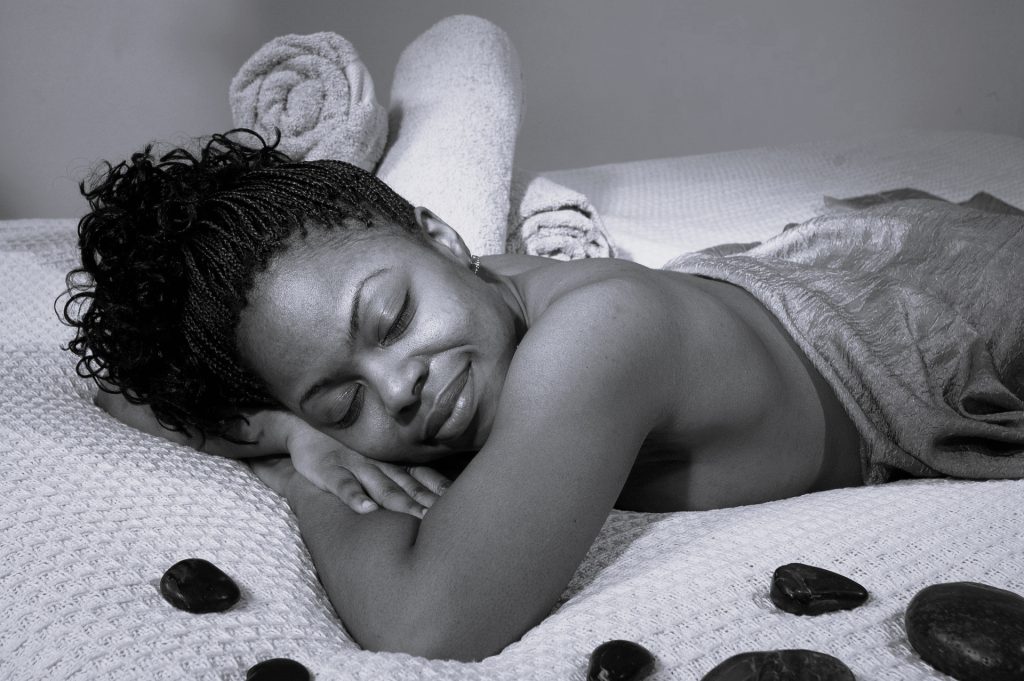
Even though you might have a healthy lifestyle, there are small habits that might be damaging your body. Sleep habits, vitamin intake, hygiene, diet and exercise all play an important role in your overall health. Below is our list of the top 8 ways you might be damaging your body.
1. You’re not getting enough Vitamin D
Vitamin D is the ‘sunshine vitamin’, and it’s best if you get it from actually spending some time in the sun, however you can also buy it in pill format. It’s important for healthy bones and teeth, and a strong immune system. If you’re supplementing your diet with Vitamin D, be sure to take it in the morning. Your sleep can be negatively affected if you take Vitamin D later in the day.
2. You’re not washing your hands enough
If you didn’t know that washing your hands was important before 2020, you definitely know it is now. Washing your hands frequently has been one of the most basic things you can do to protect yourself and others from COVID and other transmissible diseases. When you wash your hands, be sure to scrub all surfaces – including back of hands, between fingers and under nails – for at least 20 seconds.
3. You’re always stressed
Stress is more dangerous than you think, and sometimes the damage caused by stress can be irreversible. Stress affects all systems of the body, including musculoskeletal, respiratory, cardiovascular, endocrine, gastrointestinal, nervous and reproductive systems. It also negatively impacts your sleep and your relationship with others.
4. Not sleeping enough
Studies have shown that inadequate sleep over time can shorten your lifespan. Trading sleep to cram more into the day increases your risk of developing serious medical conditions, like cardiovascular disease, decreased immune function, obesity and high blood pressure.
5. You don’t exercise enough, or you exercise too much
Did you know there’s a Goldie Locks zone of exercise – not too much, and not too little. You have to find the sweet spot for you, but general advice is you should exercise at least three times a week for 30 minutes. However, if you access too much for weeks or months at a time, you risk developing ‘over-training syndrome’. This is when you don’t give your body enough time to recover and inadvertently put your body under chronic stress.
6. Too much alcohol
One or two drinks with friends might help take the edge off, but did you know it also messes with your sleep? Read our blog post about it: What alcohol really does to your sleep. Drinking too much alcohol too often can also weaken your immune system, change mood and behaviour, cause high blood pressure and other heart-related problems, and also damages your liver.
7. You consume too much sugar
When you eat too much sugar, the extra insulin in your body causes walls of your arteries to become inflamed, which could lead to heart disease. And this is just the start. Too much sugar can also lead to diabetes, liver disease, cavities, and even poor sleep.
8. Not drinking enough water
When you don’t drink enough water, your body becomes dehydrated, you suffer from consistent bad breath, fatigue, constipation and increased sugar cravings. You will also feel tired and you might get sick more frequently because your body is unable to flush out harmful toxins that cause disease.
The First Night Effect: Difficulty sleeping while travelling

Travelling can be exciting, whether it’s to an international destination or a road trip right here in South Africa. However, there’s one thing that can derail your travel plans: Lack of sleep. The First Night Effect is when you struggle to fall asleep in a new environment, usually the first day you arrive at a destination.
The First Night Effect is probably something you’ve experienced outside your home at least once: difficulty falling asleep, restless behaviour, and a lack of proper rest. Luckily, you can take plenty of preventive measures to reduce potential issues down the (literal and metaphorical) road.
Mimic your usual sleep atmosphere to avoid First Night Effect
Scientists have discovered that the First Night Effect keeps our brains “half-awake” when we sleep in unfamiliar settings. Much like birds, it seems half of the brain remains awake to notice potential threats and dangers when in an unknown place.
Following this logic, one of the easiest ways to prevent the First Night Effect from taking place is to mimic your normal sleeping conditions as much as you can.
Small changes such as bringing your favourite pillow, carrying earplugs or white noise machines, or spraying a familiar scent on your pillow can help you sleep better. Sealy manufactures a range of pillows designed to help you sleep better. If your Sealy mattress can’t go with on holiday, at least your Sealy pillow can! Click here to view our range of pillows.
Identify possible anxiety sources
Stress and anxiety also play a huge role in sleep disturbances, and even the most experienced traveller can experience them regularly.
There is no universal solution to easing anxieties, so try to understand the root cause of your worries and see if there is some way to prepare better for that first night of holiday sleep. For example, if you stress about forgetting something during your vacation, prepare a checklist ahead of time.
Avoid stimulants
Consider avoiding caffeinated drinks at least six hours ahead of your expected sleeping time.
As mentioned before, the First Night Effect keeps half of your brain active during sleeping hours, so extra stimulants will pump up the energy in a brain already on overdrive.
Instead, rely on your pre-established energy to get your tasks and duties done and, before sleep, engage in relaxing activities such as meditation or box breathing. Make sure you’re not already in sleep deficit by investing in a good quality Sealy mattress for your home.
In almost every case, a poor quality, old or worn mattress is an overlooked factor in poor quality sleep. If you’ve been sinking into an old bed that’s lost its shape, there’s a good chance you’re lacking sleep even before you begin your travels. Sealy’s exclusive Posturepedic Technology™ mattresses are built strategically to help provide proper support for the entire body, comfort for a great night’s sleep and durability for peace of mind. Orthopedically correct mattress design fully supports the body while at the same time relieving pressure points, allowing the body to fully relax.
We have developed a Sealy guide to help you choose the best mattress for your needs. Click here to get started – simply answer a few questions about your sleep style and we will recommend a selection of Sealy beds that are a good match for you.
Consider a mattress topper
Unfortunately taking your Sealy mattress with you is out of the question, mattress toppers can offer the comfort you seek.
If you happen to stay in a hotel room with an uncomfortable mattress, the topper can provide additional firmness and structure that your body is already used to. (Although Sealy manufactures a wide and varied range of mattresses, we do not manufacture mattress toppers.)
Consult a sleep specialist
While the First Night Effect is a scientifically-proven event that can explain sleeping issues while away from home, sleep disorders are common and shouldn’t be ignored. If you are concerned about the quality of your sleep, consult a medical professional to discover the root cause of your sleep disturbances.
Is it normal to wake up tired?

That groggy feeling when you wake up in the morning is probably sleep inertia, and it’s pretty normal. It can last for as little as 10 minutes or even up to an hour. However, if you wake up tired and your fatigue lasts throughout most of the day, it could be a sign that something else is going on.
For most adults, waking up tired is the norm. It’s a natural part of the transition out of sleep. This transition is called sleep inertia: that feeling of drowsiness, laziness and disorientation you experience just after waking up. The question is not how tired you feel when you just wake up, the real question is how much energy you have throughout your day.
Excessive Daytime Sleepiness (EDS)
If your sleep inertia lasts for much of your day, it could be a sign of Excessive Daytime Sleepiness (EDS). It’s normal to feel sleepy once in a while, especially if you have been sleeping less, but according to the Sleep Foundation it could be EDS if this happens every day for three months. If you have concerns about your sleep patterns and/or energy levels, consult a specialist for medical advice.
If you wake up tired, consider your sleep hygiene
Sleep hygiene refers to healthy habits that contribute to the quality of your sleep – and they usually start long before bedtime If you wake up tired, consider some of these tips:
- Keep a consistent sleep routine by waking up and going to bed at the same time every night
- Turn off electronic devices at least an hour before going to bed
- Exercise regularly – but not more than an hour before bedtime
- Limit the amount of caffeine you consume
- Soak up some sunlight soon after waking up
Make your bedroom a sleep sanctuary
If you can’t sleep, turn your bedroom into a sleep sanctuary with luxurious linen, perfect pillows, black-out curtains and of course a good quality mattress. Look out for the following signs that your mattress could be culprit:
- Your mattress is more than eight years old
- Your mattress squeaks and there are lumps and pumps on the mattress
- You have “taco bed” – when you seem to roll into the middle of the bed
- You get better sleep when you crash on the couch or in your child’s bed
- You wake up with aches and pains
If you think your mattress might be causing you to wake up tired, use our handy Mattress Selector tool to find the best Sealy for you. Simply answer a few questions about your sleep style, and we will make a recommendation. Click here to get started.
Choosing the best mattress for back pain

Can a mattress cause back pain? Yes, the wrong mattress can cause or aggravate an aching back. The best mattress for back pain is orthopaedically designed to help your spine maintain a neutral position and prevent back soreness.
Lower back pain is so common that up to 30 to 40 percent of South Africans will experience this discomfort at some point in their lives. However, you don’t have to live with back pain. Lower back pain can be successfully treated with non-invasive methods, and in fact it might be as simple as investing in the best mattress for back pain.
Top signs that your mattress might be causing back pain
- You back is sore right after waking up in the morning
- You toss and turn all night
- You have ‘taco bed’ – the middle of your bed is collapsing, and as a result your spine isn’t supported
- Your mattress is older than seven to eight years
- Your mattress is new – it sometimes takes a few weeks for your body to adjust to a new mattress
The best mattress for back pain
It is impossible to recommend a specific mattress for back pain because it is a highly personal choice and there are countless factors to consider. There is no single mattress type that provides comfort for all people with back pain. However, a soft mattress can sometimes cause back pain because the spine is not supported in a comfortable sleeping position. Conversely, a bed that is too hard puts pressure on the joints. Most sleep experts recommend a medium-firm orthopaedic mattress for back pain. (We are not medical experts and no part of this blog should be considered medical advice. It’s important to chat to a medical professional for advice.)
We have developed a Sealy guide to help you choose the best mattress for your needs. Click here to get started – simply answer a few questions about your sleep style and we will recommend a selection of Sealy beds that might be a good match for you.
The best mattress for back pain is designed by orthopedics
The best mattress allows for full support of the spine, and targets pressure relief. Mattresses with Posturepedic Technology™ are designed by orthopedics to support every part of your body and offers the following benefits:
- Pressure relieving comfort for undisturbed sleep: from ultra-plush to cushion firm, built with premium materials.
- The support you need: deep-down orthopedically correct support with a superior edge support system.
- A system where everything works together to give you the same great comfort and support for a long time: extra durability that repays your investment day after day.
Adjustable beds are a game changer when it comes to quality sleep. Sealy Posturematic Adjustable Base beds come with customised head and foot adjustment options, a dual massage function, a flashlight and an LCD Clock.
Tips for better sleep with back pain
- Try sleep in a different position and use a pillow to support different body parts. If you’re a side sleeper, place a pillow between your knees. If you sleep on your back, place the pillow underneath your knees.
- Try not to sleep on your stomach because this sleep position puts extra strain on your spine.
- Make sure your pillow is at a comfortable height and not creating too much pressure on your neck. Your pillow should be placed under your head and neck, not your shoulders.